Category: Transport & Logistics

  • Egypt Tour Transport Options Explained: A Practical Guide for First-Time Visitors

    Egypt Tour Transport Options Explained: A Practical Guide for First-Time Visitors

    A useful approach to Egypt tour transport options explained starts with the traveler’s real priorities: time, comfort, historical depth, activity level, and budget.

    Travel conditions can change, so exact schedules and official requirements should always be checked close to departure. The planning principles below remain useful because they are based on route logic and realistic daily pacing.
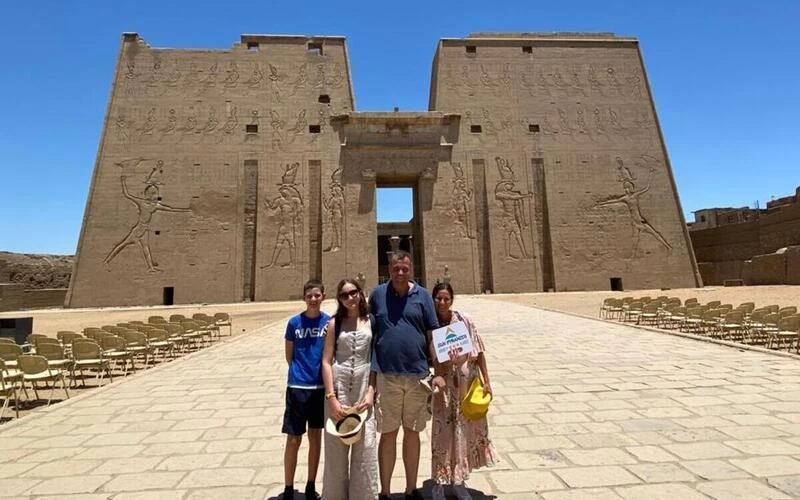
    Egypt tour transport options explained in Egypt
    Planning Egypt tour transport options explained with a route that matches real travel time.

    Egypt Tour Transport Options Explained: the practical answer

    Start with the route and the number of usable days. Cairo and Giza first, followed by the Nile Valley, then an optional Red Sea or desert extension is a sensible framework, but it should be adjusted for arrival time, mobility, children, special interests, and the season.

    Most travelers benefit from two or three nights in each major base rather than changing hotels every day. A plan that looks efficient on a map can still feel exhausting once hotel check-outs, security procedures, meals, and city traffic are included.

    Before booking, ask for the exact inclusions, pickup location, expected return time, entrance-ticket policy, and cancellation terms. Written details are more valuable than a long list of promises.

    Related 2B Travels experiences

    The following options were selected from the live 2B Travels tour inventory because their route, destination, or activity is relevant to this guide. Use them as starting points and request changes when your dates or pace require a private arrangement.

    2B Travels planning notes for Egypt tour transport options explained

    When contacting 2B Travels, include your dates, number of travelers, preferred hotel level, arrival city, departure city, and the experiences you consider essential. Mention this guide and ask the team to explain how the proposed route addresses the time, transport, and comfort points above.

    For a faster starting point, review 4 Nights at one of the finest Nile Cruises From Luxor to Aswan/ Aswan to Luxor. A second relevant option is 5 Days Trip to Siwa and Bahariya Oasis. These are internal 2B Travels links selected from the site’s current tour inventory.

    A planning framework for Egypt tour transport options explained

    Use the following five decisions to turn a broad travel idea into an itinerary that can be priced, checked, and operated reliably.

    01

    Available time

    Build the plan around the number of full sightseeing days, not the number of hotel nights. Most travelers benefit from two or three nights in each major base rather than changing hotels every day.

    02

    Daily pace

    Decide whether the group prefers early starts and full days or a slower rhythm with protected meal and rest periods.

    03

    Transport

    Confirm how each transfer works, how long it normally takes, and whether waiting time is already included.

    04

    Guide and support

    Use expert guiding where context, ticket coordination, or local navigation will materially improve the experience.

    05

    Flexibility

    Leave room to adjust for weather, traffic, opening changes, or a site that deserves more time than expected.

    Egypt Tour Transport Options Explained: A Practical Guide for First-Time Visitors decision table

    This table is a fast way to match the same topic to different traveler priorities without assuming that one package suits everyone.

    Traveler priority Practical planning choice Best fit
    Limited time Use private transfers and group nearby sites rather than adding distant stops. Egypt
    First visit Choose a clear route with strong highlights and enough time for explanation. Egypt
    Value priority Spend on logistics that save a full day; simplify extras that do not improve the core experience. Egypt
    Special interest Tell the operator the exact interest early so tickets, timing, and the right guide can be arranged. Egypt
    Comfort priority Protect rest time, reduce hotel changes, and confirm vehicle and room details. Egypt

    A realistic route and pace for Egypt

    When a tour includes several districts or cities, ask for a route map or day-by-day order. A clear sequence makes it easier to spot unnecessary driving and understand which optional visits genuinely fit.

    A practical sequence is Cairo and Giza first, followed by the Nile Valley, then an optional Red Sea or desert extension. This order reduces unnecessary backtracking and keeps the most demanding outdoor sightseeing away from the hottest or busiest part of the day where possible.

    Most travelers benefit from two or three nights in each major base rather than changing hotels every day. Count transfer and check-in time as part of the itinerary rather than treating it as invisible time between attractions.

    Keep the first day after a long international flight light. Likewise, avoid placing the most important paid visit immediately before a flight, cruise embarkation, or long-distance road transfer.
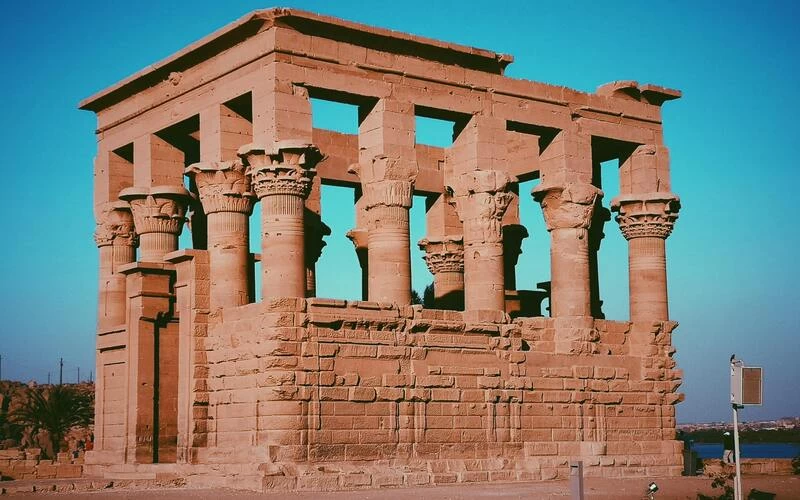
    Travel planning for Egypt
    A related 2B Travels experience in Egypt.

    Practical logistics that deserve confirmation

    Logistics point 1: Sequence cities by geography

    Use realistic time ranges instead of assuming perfect conditions. Traffic, security checks, weather, and visitor volume can affect the final order without reducing the overall value of the day.

    Logistics point 2: Protect arrival and departure days

    Ask for this detail in writing before final payment. For Egypt tour transport options explained, small differences in timing can change how much of the day is spent sightseeing rather than waiting or driving.

    Logistics point 3: Confirm domestic transport before hotels become non-refundable

    This is especially important when the plan combines private touring with flights, cruises, hotel changes, or fixed-entry attractions. Confirm the responsible contact and the fallback plan.

    Logistics point 4: Keep one flexible half-day for delays or personal interests

    A good itinerary states what happens, where the meeting point is, and what is not included. That clarity prevents last-minute pressure and makes price comparisons fairer.

    Budget and value: compare the complete experience

    The lowest headline price is not always the lowest total cost. Compare private or shared transport, hotel level, entrance tickets, guiding, meals, domestic travel, taxes, and optional activities together.

    Ask how child policies, single supplements, seasonal rates, and last-minute changes are handled. If a price is described as ‘from’, request the exact basis for your dates and party size.

    Keep a contingency for meals not included, tips, personal shopping, extra entrance tickets, and schedule changes. The appropriate amount depends on the itinerary and travel style, not a universal daily figure.

    Value is strongest when spending removes a genuine problem: a long transfer, repeated ticket queues, a poorly located hotel, or an itinerary that needs local coordination. Decorative extras are less important than reliable timing and support.

    Safety, comfort, and responsible travel

    At archaeological, religious, desert, and marine sites, follow local rules and guide instructions. Avoid touching fragile surfaces, collecting natural material, feeding wildlife, or stepping on coral.

    Keep valuables discreet, use agreed pickup points, and confirm the identity of the driver or representative. Save the operator’s local contact and the hotel address offline.

    Share mobility, dietary, medical, swimming, heat, or sensory needs before booking. Operators can only plan appropriate vehicles, walking distances, meal stops, and assistance when the requirements are specific.

    Use current official travel and entry information close to departure, because requirements and local conditions can change. A blog guide should support planning, not replace official instructions.

    Common mistakes to avoid

    • Ignoring transfer time: Airport procedures, city traffic, road stops, and hotel changes all consume usable time.
    • Waiting to explain special needs: Late requests for access, dietary support, child seats, or specific room types may not be possible.
    • Using generic advice for every month: Temperature, daylight, wind, water conditions, and holiday periods change the best daily schedule.
    • Planning by attraction count: A day with eight names can contain less real experience than a day with four well-sequenced visits.
    • Booking every day at maximum pace: Without rest or flexibility, one delay can affect several later bookings.
    • Choosing links that are not relevant: Internal recommendations should support the exact destination or planning question, not exist only for SEO.

    Best time and seasonal planning

    October through April usually offers milder sightseeing conditions, while summer works better with early starts, indoor breaks, and carefully planned transfers.

    Instead of choosing a month only by average temperature, consider the main activity. Desert camping, city walking, snorkeling, photography, and family sightseeing each respond differently to heat, wind, crowds, and daylight.

    During busy holiday periods, secure limited-capacity transport and important hotels first. Keep flexible attractions until the key route is confirmed.

    For summer travel, move exposed sightseeing earlier, use air-conditioned transfers, schedule a proper midday break, and carry more water than you expect to need.

    Booking checklist

    1. Hotel category, room type, meal plan, and location are written clearly.
    2. Cancellation, amendment, and payment terms are understood before payment.
    3. Included and excluded entrance tickets are named rather than described generally.
    4. Every traveler’s passport spelling and nationality are supplied correctly where required.
    5. The day-by-day route shows realistic pickup and return ranges.
    6. Exact travel dates, arrival time, and departure time are confirmed.
    7. The operator’s emergency and WhatsApp contact is saved before travel.
    8. Special mobility, dietary, medical, or child requirements are confirmed in writing.
    9. Private versus shared services are identified for each day.
    10. Domestic flights, trains, cruises, or long transfers have adequate connection time.

    Who will enjoy this plan most?

    People with a narrow special interest should reduce the number of general stops and protect more time for the places, guides, or activities that matter most to them.

    This approach works well for first-time visitors who want a dependable structure while still keeping room for personal interests in Egypt.

    Travelers who prefer spontaneous independent travel can still use the framework to reserve only the complicated sections, such as long transfers, remote areas, fixed-timing sites, or specialist activities.

    It also suits couples, families, solo travelers, and mature travelers when the daily pace and support level are adjusted honestly before booking.

    Turn the research into a bookable plan

    Use this guide as a review checklist, then ask for a written itinerary built around your actual flights and travel style. Start with 4 Nights at one of the finest Nile Cruises From Luxor to Aswan/ Aswan to Luxor or compare it with Day Tour To Giza Pyramids, Memphis, Dahshur and Sakkara Pyramids before requesting a customized route.

    Frequently asked questions about Egypt tour transport options explained

    What is the best first step for Egypt tour transport options explained?

    Confirm the number of full travel days and the arrival and departure points. Those facts determine the workable route before hotels or optional activities are selected.

    How far in advance should the trip be arranged?

    Reserve earlier for peak periods, limited cruise dates, specific hotels, domestic flights, and special-access requests. Simpler private day tours can often remain flexible.

    Is a private tour always necessary?

    No. Private support is most valuable when time is limited, the route is complex, the group has special requirements, or deeper guiding matters. Shared services can be appropriate for straightforward activities.

    What details should be confirmed before payment?

    Confirm the exact itinerary, private or shared status, pickup point, tickets, meals, transport type, hotel details, cancellation policy, and the contact responsible during travel.

    Which 2B Travels tour is most relevant to Egypt tour transport options explained?

    The closest current match is 4 Nights at one of the finest Nile Cruises From Luxor to Aswan/ Aswan to Luxor. The final choice should still be checked against your dates, desired pace, and the latest operating schedule.

    Plan with a local travel expert

    Ready to turn this guide into your Egypt itinerary?

    Tell us your dates, preferred pace, hotel level and must-see experiences. Our team will match the research in this article with a private, practical tour plan.
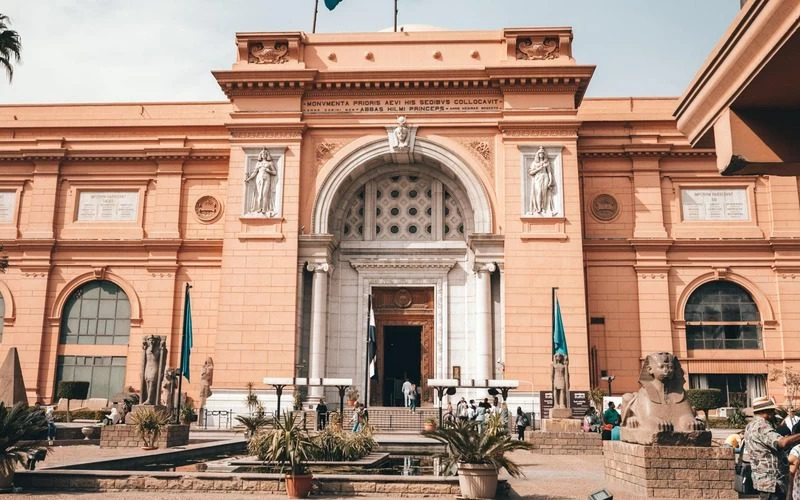
  • Airport Transfers in Egypt: A Practical Guide for First-Time Visitors

    Airport Transfers in Egypt: A Practical Guide for First-Time Visitors

    The strongest plan for airport transfers in Egypt is rarely the one with the longest attraction list. It is the one that works on the ground in Egypt.

    Travel conditions can change, so exact schedules and official requirements should always be checked close to departure. The planning principles below remain useful because they are based on route logic and realistic daily pacing.

    airport transfers in Egypt in Egypt
    Planning airport transfers in Egypt with a route that matches real travel time.

    Airport Transfers In Egypt: the practical answer

    Most travelers benefit from two or three nights in each major base rather than changing hotels every day. A plan that looks efficient on a map can still feel exhausting once hotel check-outs, security procedures, meals, and city traffic are included.

    Start with the route and the number of usable days. Cairo and Giza first, followed by the Nile Valley, then an optional Red Sea or desert extension is a sensible framework, but it should be adjusted for arrival time, mobility, children, special interests, and the season.

    Before booking, ask for the exact inclusions, pickup location, expected return time, entrance-ticket policy, and cancellation terms. Written details are more valuable than a long list of promises.

    Related 2B Travels experiences

    The following options were selected from the live 2B Travels tour inventory because their route, destination, or activity is relevant to this guide. Use them as starting points and request changes when your dates or pace require a private arrangement.

    2B Travels planning notes for airport transfers in Egypt

    When contacting 2B Travels, include your dates, number of travelers, preferred hotel level, arrival city, departure city, and the experiences you consider essential. Mention this guide and ask the team to explain how the proposed route addresses the time, transport, and comfort points above.

    For a faster starting point, review Giza Pyramids & the Grand Egyptian Museum. A second relevant option is Cairo Pyramids Layover. These are internal 2B Travels links selected from the site’s current tour inventory.

    A planning framework for airport transfers in Egypt

    Use the following five decisions to turn a broad travel idea into an itinerary that can be priced, checked, and operated reliably.

    01

    Available time

    Build the plan around the number of full sightseeing days, not the number of hotel nights. Most travelers benefit from two or three nights in each major base rather than changing hotels every day.

    02

    Daily pace

    Decide whether the group prefers early starts and full days or a slower rhythm with protected meal and rest periods.

    03

    Transport

    Confirm how each transfer works, how long it normally takes, and whether waiting time is already included.

    04

    Guide and support

    Use expert guiding where context, ticket coordination, or local navigation will materially improve the experience.

    05

    Flexibility

    Leave room to adjust for weather, traffic, opening changes, or a site that deserves more time than expected.

    Airport Transfers in Egypt: A Practical Guide for First-Time Visitors decision table

    This table is a fast way to match the same topic to different traveler priorities without assuming that one package suits everyone.

    Traveler priority Practical planning choice Best fit
    Value priority Spend on logistics that save a full day; simplify extras that do not improve the core experience. Egypt
    Limited time Use private transfers and group nearby sites rather than adding distant stops. Egypt
    First visit Choose a clear route with strong highlights and enough time for explanation. Egypt
    Special interest Tell the operator the exact interest early so tickets, timing, and the right guide can be arranged. Egypt
    Comfort priority Protect rest time, reduce hotel changes, and confirm vehicle and room details. Egypt

    A realistic route and pace for Egypt

    Keep the first day after a long international flight light. Likewise, avoid placing the most important paid visit immediately before a flight, cruise embarkation, or long-distance road transfer.

    Most travelers benefit from two or three nights in each major base rather than changing hotels every day. Count transfer and check-in time as part of the itinerary rather than treating it as invisible time between attractions.

    When a tour includes several districts or cities, ask for a route map or day-by-day order. A clear sequence makes it easier to spot unnecessary driving and understand which optional visits genuinely fit.

    A practical sequence is Cairo and Giza first, followed by the Nile Valley, then an optional Red Sea or desert extension. This order reduces unnecessary backtracking and keeps the most demanding outdoor sightseeing away from the hottest or busiest part of the day where possible.

    Travel planning for Egypt
    A related 2B Travels experience in Egypt.

    Practical logistics that deserve confirmation

    Logistics point 1: Sequence cities by geography

    Ask for this detail in writing before final payment. For airport transfers in Egypt, small differences in timing can change how much of the day is spent sightseeing rather than waiting or driving.

    Logistics point 2: Protect arrival and departure days

    This is especially important when the plan combines private touring with flights, cruises, hotel changes, or fixed-entry attractions. Confirm the responsible contact and the fallback plan.

    Logistics point 3: Confirm domestic transport before hotels become non-refundable

    A good itinerary states what happens, where the meeting point is, and what is not included. That clarity prevents last-minute pressure and makes price comparisons fairer.

    Logistics point 4: Keep one flexible half-day for delays or personal interests

    Use realistic time ranges instead of assuming perfect conditions. Traffic, security checks, weather, and visitor volume can affect the final order without reducing the overall value of the day.

    Budget and value: compare the complete experience

    Value is strongest when spending removes a genuine problem: a long transfer, repeated ticket queues, a poorly located hotel, or an itinerary that needs local coordination. Decorative extras are less important than reliable timing and support.

    The lowest headline price is not always the lowest total cost. Compare private or shared transport, hotel level, entrance tickets, guiding, meals, domestic travel, taxes, and optional activities together.

    Keep a contingency for meals not included, tips, personal shopping, extra entrance tickets, and schedule changes. The appropriate amount depends on the itinerary and travel style, not a universal daily figure.

    Ask how child policies, single supplements, seasonal rates, and last-minute changes are handled. If a price is described as ‘from’, request the exact basis for your dates and party size.

    Safety, comfort, and responsible travel

    Share mobility, dietary, medical, swimming, heat, or sensory needs before booking. Operators can only plan appropriate vehicles, walking distances, meal stops, and assistance when the requirements are specific.

    Use current official travel and entry information close to departure, because requirements and local conditions can change. A blog guide should support planning, not replace official instructions.

    Keep valuables discreet, use agreed pickup points, and confirm the identity of the driver or representative. Save the operator’s local contact and the hotel address offline.

    At archaeological, religious, desert, and marine sites, follow local rules and guide instructions. Avoid touching fragile surfaces, collecting natural material, feeding wildlife, or stepping on coral.

    Common mistakes to avoid

    • Booking every day at maximum pace: Without rest or flexibility, one delay can affect several later bookings.
    • Planning by attraction count: A day with eight names can contain less real experience than a day with four well-sequenced visits.
    • Comparing prices without inclusions: Two packages with similar titles may include very different tickets, meals, transport, and guiding.
    • Waiting to explain special needs: Late requests for access, dietary support, child seats, or specific room types may not be possible.
    • Using generic advice for every month: Temperature, daylight, wind, water conditions, and holiday periods change the best daily schedule.
    • Choosing links that are not relevant: Internal recommendations should support the exact destination or planning question, not exist only for SEO.

    Best time and seasonal planning

    October through April usually offers milder sightseeing conditions, while summer works better with early starts, indoor breaks, and carefully planned transfers.

    Instead of choosing a month only by average temperature, consider the main activity. Desert camping, city walking, snorkeling, photography, and family sightseeing each respond differently to heat, wind, crowds, and daylight.

    During busy holiday periods, secure limited-capacity transport and important hotels first. Keep flexible attractions until the key route is confirmed.

    For summer travel, move exposed sightseeing earlier, use air-conditioned transfers, schedule a proper midday break, and carry more water than you expect to need.

    Booking checklist

    1. Special mobility, dietary, medical, or child requirements are confirmed in writing.
    2. Hotel category, room type, meal plan, and location are written clearly.
    3. Cancellation, amendment, and payment terms are understood before payment.
    4. Domestic flights, trains, cruises, or long transfers have adequate connection time.
    5. Exact travel dates, arrival time, and departure time are confirmed.
    6. The operator’s emergency and WhatsApp contact is saved before travel.
    7. Private versus shared services are identified for each day.
    8. The day-by-day route shows realistic pickup and return ranges.
    9. Every traveler’s passport spelling and nationality are supplied correctly where required.
    10. Included and excluded entrance tickets are named rather than described generally.

    Who will enjoy this plan most?

    Travelers who prefer spontaneous independent travel can still use the framework to reserve only the complicated sections, such as long transfers, remote areas, fixed-timing sites, or specialist activities.

    This approach works well for first-time visitors who want a dependable structure while still keeping room for personal interests in Egypt.

    People with a narrow special interest should reduce the number of general stops and protect more time for the places, guides, or activities that matter most to them.

    It also suits couples, families, solo travelers, and mature travelers when the daily pace and support level are adjusted honestly before booking.

    Turn the research into a bookable plan

    Use this guide as a review checklist, then ask for a written itinerary built around your actual flights and travel style. Start with Giza Pyramids & the Grand Egyptian Museum or compare it with 4 Nights at one of the finest Nile Cruises From Luxor to Aswan/ Aswan to Luxor before requesting a customized route.

    Frequently asked questions about airport transfers in Egypt

    What is the best first step for airport transfers in Egypt?

    Confirm the number of full travel days and the arrival and departure points. Those facts determine the workable route before hotels or optional activities are selected.

    How far in advance should the trip be arranged?

    Reserve earlier for peak periods, limited cruise dates, specific hotels, domestic flights, and special-access requests. Simpler private day tours can often remain flexible.

    Is a private tour always necessary?

    No. Private support is most valuable when time is limited, the route is complex, the group has special requirements, or deeper guiding matters. Shared services can be appropriate for straightforward activities.

    What details should be confirmed before payment?

    Confirm the exact itinerary, private or shared status, pickup point, tickets, meals, transport type, hotel details, cancellation policy, and the contact responsible during travel.

    Which 2B Travels tour is most relevant to airport transfers in Egypt?

    The closest current match is Giza Pyramids & the Grand Egyptian Museum. The final choice should still be checked against your dates, desired pace, and the latest operating schedule.

    Plan with a local travel expert

    Ready to turn this guide into your Egypt itinerary?

    Tell us your dates, preferred pace, hotel level and must-see experiences. Our team will match the research in this article with a private, practical tour plan.
  • How to Get Around Cairo as a Tourist: A Clear 10-Step Travel Plan

    How to Get Around Cairo as a Tourist: A Clear 10-Step Travel Plan

    Good decisions about how to get around Cairo as a tourist come from matching expectations with geography, opening hours, transfer time, and the pace of the people traveling.

    This guide focuses on practical choices that can be used before booking and again while reviewing a proposed itinerary. It also connects the topic to real experiences already available through 2B Travels, so the advice leads to usable next steps rather than a generic checklist.

    how to get around Cairo as a tourist in Egypt
    Planning how to get around Cairo as a tourist with a route that matches real travel time.

    How To Get Around Cairo As A Tourist: the practical answer

    Before booking, ask for the exact inclusions, pickup location, expected return time, entrance-ticket policy, and cancellation terms. Written details are more valuable than a long list of promises.

    Most travelers benefit from two or three nights in each major base rather than changing hotels every day. A plan that looks efficient on a map can still feel exhausting once hotel check-outs, security procedures, meals, and city traffic are included.

    Start with the route and the number of usable days. Cairo and Giza first, followed by the Nile Valley, then an optional Red Sea or desert extension is a sensible framework, but it should be adjusted for arrival time, mobility, children, special interests, and the season.

    Related 2B Travels experiences

    The following options were selected from the live 2B Travels tour inventory because their route, destination, or activity is relevant to this guide. Use them as starting points and request changes when your dates or pace require a private arrangement.

    2B Travels planning notes for how to get around Cairo as a tourist

    When contacting 2B Travels, include your dates, number of travelers, preferred hotel level, arrival city, departure city, and the experiences you consider essential. Mention this guide and ask the team to explain how the proposed route addresses the time, transport, and comfort points above.

    For a faster starting point, review Day Tour To Pyramids and The Egyptian Museum. A second relevant option is Giza Pyramids With Camel Ride and Egyptian Museum In Cairo. These are internal 2B Travels links selected from the site’s current tour inventory.

    A planning framework for how to get around Cairo as a tourist

    Use the following five decisions to turn a broad travel idea into an itinerary that can be priced, checked, and operated reliably.

    01

    Available time

    Build the plan around the number of full sightseeing days, not the number of hotel nights. Most travelers benefit from two or three nights in each major base rather than changing hotels every day.

    02

    Daily pace

    Decide whether the group prefers early starts and full days or a slower rhythm with protected meal and rest periods.

    03

    Transport

    Confirm how each transfer works, how long it normally takes, and whether waiting time is already included.

    04

    Guide and support

    Use expert guiding where context, ticket coordination, or local navigation will materially improve the experience.

    05

    Flexibility

    Leave room to adjust for weather, traffic, opening changes, or a site that deserves more time than expected.

    How to Get Around Cairo as a Tourist: A Clear 10-Step Travel Plan decision table

    This table is a fast way to match the same topic to different traveler priorities without assuming that one package suits everyone.

    Traveler priority Practical planning choice Best fit
    Special interest Tell the operator the exact interest early so tickets, timing, and the right guide can be arranged. Egypt
    Comfort priority Protect rest time, reduce hotel changes, and confirm vehicle and room details. Egypt
    Limited time Use private transfers and group nearby sites rather than adding distant stops. Egypt
    First visit Choose a clear route with strong highlights and enough time for explanation. Egypt
    Value priority Spend on logistics that save a full day; simplify extras that do not improve the core experience. Egypt

    A realistic route and pace for Egypt

    When a tour includes several districts or cities, ask for a route map or day-by-day order. A clear sequence makes it easier to spot unnecessary driving and understand which optional visits genuinely fit.

    Keep the first day after a long international flight light. Likewise, avoid placing the most important paid visit immediately before a flight, cruise embarkation, or long-distance road transfer.

    A practical sequence is Cairo and Giza first, followed by the Nile Valley, then an optional Red Sea or desert extension. This order reduces unnecessary backtracking and keeps the most demanding outdoor sightseeing away from the hottest or busiest part of the day where possible.

    Most travelers benefit from two or three nights in each major base rather than changing hotels every day. Count transfer and check-in time as part of the itinerary rather than treating it as invisible time between attractions.

    Travel planning for Egypt
    A related 2B Travels experience in Egypt.

    Practical logistics that deserve confirmation

    Logistics point 1: Sequence cities by geography

    This is especially important when the plan combines private touring with flights, cruises, hotel changes, or fixed-entry attractions. Confirm the responsible contact and the fallback plan.

    Logistics point 2: Protect arrival and departure days

    A good itinerary states what happens, where the meeting point is, and what is not included. That clarity prevents last-minute pressure and makes price comparisons fairer.

    Logistics point 3: Confirm domestic transport before hotels become non-refundable

    Use realistic time ranges instead of assuming perfect conditions. Traffic, security checks, weather, and visitor volume can affect the final order without reducing the overall value of the day.

    Logistics point 4: Keep one flexible half-day for delays or personal interests

    Ask for this detail in writing before final payment. For how to get around Cairo as a tourist, small differences in timing can change how much of the day is spent sightseeing rather than waiting or driving.

    Budget and value: compare the complete experience

    Value is strongest when spending removes a genuine problem: a long transfer, repeated ticket queues, a poorly located hotel, or an itinerary that needs local coordination. Decorative extras are less important than reliable timing and support.

    Ask how child policies, single supplements, seasonal rates, and last-minute changes are handled. If a price is described as ‘from’, request the exact basis for your dates and party size.

    Keep a contingency for meals not included, tips, personal shopping, extra entrance tickets, and schedule changes. The appropriate amount depends on the itinerary and travel style, not a universal daily figure.

    The lowest headline price is not always the lowest total cost. Compare private or shared transport, hotel level, entrance tickets, guiding, meals, domestic travel, taxes, and optional activities together.

    Safety, comfort, and responsible travel

    Keep valuables discreet, use agreed pickup points, and confirm the identity of the driver or representative. Save the operator’s local contact and the hotel address offline.

    Share mobility, dietary, medical, swimming, heat, or sensory needs before booking. Operators can only plan appropriate vehicles, walking distances, meal stops, and assistance when the requirements are specific.

    Use current official travel and entry information close to departure, because requirements and local conditions can change. A blog guide should support planning, not replace official instructions.

    At archaeological, religious, desert, and marine sites, follow local rules and guide instructions. Avoid touching fragile surfaces, collecting natural material, feeding wildlife, or stepping on coral.

    Common mistakes to avoid

    • Waiting to explain special needs: Late requests for access, dietary support, child seats, or specific room types may not be possible.
    • Ignoring transfer time: Airport procedures, city traffic, road stops, and hotel changes all consume usable time.
    • Using generic advice for every month: Temperature, daylight, wind, water conditions, and holiday periods change the best daily schedule.
    • Planning by attraction count: A day with eight names can contain less real experience than a day with four well-sequenced visits.
    • Choosing links that are not relevant: Internal recommendations should support the exact destination or planning question, not exist only for SEO.
    • Comparing prices without inclusions: Two packages with similar titles may include very different tickets, meals, transport, and guiding.

    Best time and seasonal planning

    October through April usually offers milder sightseeing conditions, while summer works better with early starts, indoor breaks, and carefully planned transfers.

    Instead of choosing a month only by average temperature, consider the main activity. Desert camping, city walking, snorkeling, photography, and family sightseeing each respond differently to heat, wind, crowds, and daylight.

    During busy holiday periods, secure limited-capacity transport and important hotels first. Keep flexible attractions until the key route is confirmed.

    For summer travel, move exposed sightseeing earlier, use air-conditioned transfers, schedule a proper midday break, and carry more water than you expect to need.

    Booking checklist

    1. Cancellation, amendment, and payment terms are understood before payment.
    2. Private versus shared services are identified for each day.
    3. Included and excluded entrance tickets are named rather than described generally.
    4. The day-by-day route shows realistic pickup and return ranges.
    5. Every traveler’s passport spelling and nationality are supplied correctly where required.
    6. Exact travel dates, arrival time, and departure time are confirmed.
    7. Domestic flights, trains, cruises, or long transfers have adequate connection time.
    8. The operator’s emergency and WhatsApp contact is saved before travel.
    9. Hotel category, room type, meal plan, and location are written clearly.
    10. Special mobility, dietary, medical, or child requirements are confirmed in writing.

    Who will enjoy this plan most?

    It also suits couples, families, solo travelers, and mature travelers when the daily pace and support level are adjusted honestly before booking.

    People with a narrow special interest should reduce the number of general stops and protect more time for the places, guides, or activities that matter most to them.

    Travelers who prefer spontaneous independent travel can still use the framework to reserve only the complicated sections, such as long transfers, remote areas, fixed-timing sites, or specialist activities.

    This approach works well for first-time visitors who want a dependable structure while still keeping room for personal interests in Egypt.

    Turn the research into a bookable plan

    Use this guide as a review checklist, then ask for a written itinerary built around your actual flights and travel style. Start with Day Tour To Pyramids and The Egyptian Museum or compare it with Day Trip To Giza Pyramids, Citadel and Old Cairo before requesting a customized route.

    Frequently asked questions about how to get around Cairo as a tourist

    What is the best first step for how to get around Cairo as a tourist?

    Confirm the number of full travel days and the arrival and departure points. Those facts determine the workable route before hotels or optional activities are selected.

    How far in advance should the trip be arranged?

    Reserve earlier for peak periods, limited cruise dates, specific hotels, domestic flights, and special-access requests. Simpler private day tours can often remain flexible.

    Is a private tour always necessary?

    No. Private support is most valuable when time is limited, the route is complex, the group has special requirements, or deeper guiding matters. Shared services can be appropriate for straightforward activities.

    What details should be confirmed before payment?

    Confirm the exact itinerary, private or shared status, pickup point, tickets, meals, transport type, hotel details, cancellation policy, and the contact responsible during travel.

    Which 2B Travels tour is most relevant to how to get around Cairo as a tourist?

    The closest current match is Day Tour To Pyramids and The Egyptian Museum. The final choice should still be checked against your dates, desired pace, and the latest operating schedule.

    Plan with a local travel expert

    Ready to turn this guide into your Egypt itinerary?

    Tell us your dates, preferred pace, hotel level and must-see experiences. Our team will match the research in this article with a private, practical tour plan.
  • Egypt Travel Times Between Cities: 11 Essential Tips for a Better Trip

    Egypt Travel Times Between Cities: 11 Essential Tips for a Better Trip

    The strongest plan for Egypt travel times between cities is rarely the one with the longest attraction list. It is the one that works on the ground in Egypt.

    The goal is not to force every visitor into one itinerary. Instead, the sections below show how to compare options, where time is commonly lost, and which details deserve written confirmation before payment.

    Egypt travel times between cities in Egypt
    Planning Egypt travel times between cities with a route that matches real travel time.

    Egypt Travel Times Between Cities: the practical answer

    Before booking, ask for the exact inclusions, pickup location, expected return time, entrance-ticket policy, and cancellation terms. Written details are more valuable than a long list of promises.

    Start with the route and the number of usable days. Cairo and Giza first, followed by the Nile Valley, then an optional Red Sea or desert extension is a sensible framework, but it should be adjusted for arrival time, mobility, children, special interests, and the season.

    Most travelers benefit from two or three nights in each major base rather than changing hotels every day. A plan that looks efficient on a map can still feel exhausting once hotel check-outs, security procedures, meals, and city traffic are included.

    Related 2B Travels experiences

    The following options were selected from the live 2B Travels tour inventory because their route, destination, or activity is relevant to this guide. Use them as starting points and request changes when your dates or pace require a private arrangement.

    2B Travels planning notes for Egypt travel times between cities

    When contacting 2B Travels, include your dates, number of travelers, preferred hotel level, arrival city, departure city, and the experiences you consider essential. Mention this guide and ask the team to explain how the proposed route addresses the time, transport, and comfort points above.

    For a faster starting point, review 4 Nights at one of the finest Nile Cruises From Luxor to Aswan/ Aswan to Luxor. A second relevant option is 5 Days Trip to Siwa and Bahariya Oasis. These are internal 2B Travels links selected from the site’s current tour inventory.

    A planning framework for Egypt travel times between cities

    Use the following five decisions to turn a broad travel idea into an itinerary that can be priced, checked, and operated reliably.

    01

    Available time

    Build the plan around the number of full sightseeing days, not the number of hotel nights. Most travelers benefit from two or three nights in each major base rather than changing hotels every day.

    02

    Daily pace

    Decide whether the group prefers early starts and full days or a slower rhythm with protected meal and rest periods.

    03

    Transport

    Confirm how each transfer works, how long it normally takes, and whether waiting time is already included.

    04

    Guide and support

    Use expert guiding where context, ticket coordination, or local navigation will materially improve the experience.

    05

    Flexibility

    Leave room to adjust for weather, traffic, opening changes, or a site that deserves more time than expected.

    Egypt Travel Times Between Cities: 11 Essential Tips for a Better Trip decision table

    This table is a fast way to match the same topic to different traveler priorities without assuming that one package suits everyone.

    Traveler priority Practical planning choice Best fit
    Comfort priority Protect rest time, reduce hotel changes, and confirm vehicle and room details. Egypt
    Value priority Spend on logistics that save a full day; simplify extras that do not improve the core experience. Egypt
    Special interest Tell the operator the exact interest early so tickets, timing, and the right guide can be arranged. Egypt
    First visit Choose a clear route with strong highlights and enough time for explanation. Egypt
    Limited time Use private transfers and group nearby sites rather than adding distant stops. Egypt

    A realistic route and pace for Egypt

    When a tour includes several districts or cities, ask for a route map or day-by-day order. A clear sequence makes it easier to spot unnecessary driving and understand which optional visits genuinely fit.

    Keep the first day after a long international flight light. Likewise, avoid placing the most important paid visit immediately before a flight, cruise embarkation, or long-distance road transfer.

    A practical sequence is Cairo and Giza first, followed by the Nile Valley, then an optional Red Sea or desert extension. This order reduces unnecessary backtracking and keeps the most demanding outdoor sightseeing away from the hottest or busiest part of the day where possible.

    Most travelers benefit from two or three nights in each major base rather than changing hotels every day. Count transfer and check-in time as part of the itinerary rather than treating it as invisible time between attractions.

    Travel planning for Egypt
    A related 2B Travels experience in Egypt.

    Practical logistics that deserve confirmation

    Logistics point 1: Sequence cities by geography

    A good itinerary states what happens, where the meeting point is, and what is not included. That clarity prevents last-minute pressure and makes price comparisons fairer.

    Logistics point 2: Protect arrival and departure days

    Use realistic time ranges instead of assuming perfect conditions. Traffic, security checks, weather, and visitor volume can affect the final order without reducing the overall value of the day.

    Logistics point 3: Confirm domestic transport before hotels become non-refundable

    Ask for this detail in writing before final payment. For Egypt travel times between cities, small differences in timing can change how much of the day is spent sightseeing rather than waiting or driving.

    Logistics point 4: Keep one flexible half-day for delays or personal interests

    This is especially important when the plan combines private touring with flights, cruises, hotel changes, or fixed-entry attractions. Confirm the responsible contact and the fallback plan.

    Budget and value: compare the complete experience

    Ask how child policies, single supplements, seasonal rates, and last-minute changes are handled. If a price is described as ‘from’, request the exact basis for your dates and party size.

    Value is strongest when spending removes a genuine problem: a long transfer, repeated ticket queues, a poorly located hotel, or an itinerary that needs local coordination. Decorative extras are less important than reliable timing and support.

    Keep a contingency for meals not included, tips, personal shopping, extra entrance tickets, and schedule changes. The appropriate amount depends on the itinerary and travel style, not a universal daily figure.

    The lowest headline price is not always the lowest total cost. Compare private or shared transport, hotel level, entrance tickets, guiding, meals, domestic travel, taxes, and optional activities together.

    Safety, comfort, and responsible travel

    Use current official travel and entry information close to departure, because requirements and local conditions can change. A blog guide should support planning, not replace official instructions.

    Keep valuables discreet, use agreed pickup points, and confirm the identity of the driver or representative. Save the operator’s local contact and the hotel address offline.

    Share mobility, dietary, medical, swimming, heat, or sensory needs before booking. Operators can only plan appropriate vehicles, walking distances, meal stops, and assistance when the requirements are specific.

    At archaeological, religious, desert, and marine sites, follow local rules and guide instructions. Avoid touching fragile surfaces, collecting natural material, feeding wildlife, or stepping on coral.

    Common mistakes to avoid

    • Using generic advice for every month: Temperature, daylight, wind, water conditions, and holiday periods change the best daily schedule.
    • Comparing prices without inclusions: Two packages with similar titles may include very different tickets, meals, transport, and guiding.
    • Choosing links that are not relevant: Internal recommendations should support the exact destination or planning question, not exist only for SEO.
    • Waiting to explain special needs: Late requests for access, dietary support, child seats, or specific room types may not be possible.
    • Booking every day at maximum pace: Without rest or flexibility, one delay can affect several later bookings.
    • Planning by attraction count: A day with eight names can contain less real experience than a day with four well-sequenced visits.

    Best time and seasonal planning

    October through April usually offers milder sightseeing conditions, while summer works better with early starts, indoor breaks, and carefully planned transfers.

    Instead of choosing a month only by average temperature, consider the main activity. Desert camping, city walking, snorkeling, photography, and family sightseeing each respond differently to heat, wind, crowds, and daylight.

    During busy holiday periods, secure limited-capacity transport and important hotels first. Keep flexible attractions until the key route is confirmed.

    For summer travel, move exposed sightseeing earlier, use air-conditioned transfers, schedule a proper midday break, and carry more water than you expect to need.

    Booking checklist

    1. Private versus shared services are identified for each day.
    2. Cancellation, amendment, and payment terms are understood before payment.
    3. The operator’s emergency and WhatsApp contact is saved before travel.
    4. Special mobility, dietary, medical, or child requirements are confirmed in writing.
    5. Domestic flights, trains, cruises, or long transfers have adequate connection time.
    6. The day-by-day route shows realistic pickup and return ranges.
    7. Every traveler’s passport spelling and nationality are supplied correctly where required.
    8. Exact travel dates, arrival time, and departure time are confirmed.
    9. Hotel category, room type, meal plan, and location are written clearly.
    10. Included and excluded entrance tickets are named rather than described generally.

    Who will enjoy this plan most?

    This approach works well for first-time visitors who want a dependable structure while still keeping room for personal interests in Egypt.

    It also suits couples, families, solo travelers, and mature travelers when the daily pace and support level are adjusted honestly before booking.

    Travelers who prefer spontaneous independent travel can still use the framework to reserve only the complicated sections, such as long transfers, remote areas, fixed-timing sites, or specialist activities.

    People with a narrow special interest should reduce the number of general stops and protect more time for the places, guides, or activities that matter most to them.

    Turn the research into a bookable plan

    Use this guide as a review checklist, then ask for a written itinerary built around your actual flights and travel style. Start with 4 Nights at one of the finest Nile Cruises From Luxor to Aswan/ Aswan to Luxor or compare it with Day Tour To Giza Pyramids, Memphis, Dahshur and Sakkara Pyramids before requesting a customized route.

    Frequently asked questions about Egypt travel times between cities

    What is the best first step for Egypt travel times between cities?

    Confirm the number of full travel days and the arrival and departure points. Those facts determine the workable route before hotels or optional activities are selected.

    How far in advance should the trip be arranged?

    Reserve earlier for peak periods, limited cruise dates, specific hotels, domestic flights, and special-access requests. Simpler private day tours can often remain flexible.

    Is a private tour always necessary?

    No. Private support is most valuable when time is limited, the route is complex, the group has special requirements, or deeper guiding matters. Shared services can be appropriate for straightforward activities.

    What details should be confirmed before payment?

    Confirm the exact itinerary, private or shared status, pickup point, tickets, meals, transport type, hotel details, cancellation policy, and the contact responsible during travel.

    Which 2B Travels tour is most relevant to Egypt travel times between cities?

    The closest current match is 4 Nights at one of the finest Nile Cruises From Luxor to Aswan/ Aswan to Luxor. The final choice should still be checked against your dates, desired pace, and the latest operating schedule.

    Plan with a local travel expert

    Ready to turn this guide into your Egypt itinerary?

    Tell us your dates, preferred pace, hotel level and must-see experiences. Our team will match the research in this article with a private, practical tour plan.
  • Private Driver in Egypt Guide: 11 Essential Tips for a Better Visit

    Private Driver in Egypt Guide: 11 Essential Tips for a Better Visit

    A useful approach to private driver in Egypt guide starts with the traveler’s real priorities: time, comfort, historical depth, activity level, and budget.

    The goal is not to force every visitor into one itinerary. Instead, the sections below show how to compare options, where time is commonly lost, and which details deserve written confirmation before payment.

    private driver in Egypt guide in Egypt
    Planning private driver in Egypt guide with a route that matches real travel time.

    Private Driver In Egypt Guide: the practical answer

    Most travelers benefit from two or three nights in each major base rather than changing hotels every day. A plan that looks efficient on a map can still feel exhausting once hotel check-outs, security procedures, meals, and city traffic are included.

    Before booking, ask for the exact inclusions, pickup location, expected return time, entrance-ticket policy, and cancellation terms. Written details are more valuable than a long list of promises.

    Start with the route and the number of usable days. Cairo and Giza first, followed by the Nile Valley, then an optional Red Sea or desert extension is a sensible framework, but it should be adjusted for arrival time, mobility, children, special interests, and the season.

    Related 2B Travels experiences

    The following options were selected from the live 2B Travels tour inventory because their route, destination, or activity is relevant to this guide. Use them as starting points and request changes when your dates or pace require a private arrangement.

    2B Travels planning notes for private driver in Egypt guide

    When contacting 2B Travels, include your dates, number of travelers, preferred hotel level, arrival city, departure city, and the experiences you consider essential. Mention this guide and ask the team to explain how the proposed route addresses the time, transport, and comfort points above.

    For a faster starting point, review Giza Pyramids & the Grand Egyptian Museum. A second relevant option is 5 Days Trip to Siwa and Bahariya Oasis. These are internal 2B Travels links selected from the site’s current tour inventory.

    A planning framework for private driver in Egypt guide

    Use the following five decisions to turn a broad travel idea into an itinerary that can be priced, checked, and operated reliably.

    01

    Available time

    Build the plan around the number of full sightseeing days, not the number of hotel nights. Most travelers benefit from two or three nights in each major base rather than changing hotels every day.

    02

    Daily pace

    Decide whether the group prefers early starts and full days or a slower rhythm with protected meal and rest periods.

    03

    Transport

    Confirm how each transfer works, how long it normally takes, and whether waiting time is already included.

    04

    Guide and support

    Use expert guiding where context, ticket coordination, or local navigation will materially improve the experience.

    05

    Flexibility

    Leave room to adjust for weather, traffic, opening changes, or a site that deserves more time than expected.

    Private Driver in Egypt Guide: 11 Essential Tips for a Better Visit decision table

    This table is a fast way to match the same topic to different traveler priorities without assuming that one package suits everyone.

    Traveler priority Practical planning choice Best fit
    First visit Choose a clear route with strong highlights and enough time for explanation. Egypt
    Limited time Use private transfers and group nearby sites rather than adding distant stops. Egypt
    Special interest Tell the operator the exact interest early so tickets, timing, and the right guide can be arranged. Egypt
    Comfort priority Protect rest time, reduce hotel changes, and confirm vehicle and room details. Egypt
    Value priority Spend on logistics that save a full day; simplify extras that do not improve the core experience. Egypt

    A realistic route and pace for Egypt

    Keep the first day after a long international flight light. Likewise, avoid placing the most important paid visit immediately before a flight, cruise embarkation, or long-distance road transfer.

    When a tour includes several districts or cities, ask for a route map or day-by-day order. A clear sequence makes it easier to spot unnecessary driving and understand which optional visits genuinely fit.

    A practical sequence is Cairo and Giza first, followed by the Nile Valley, then an optional Red Sea or desert extension. This order reduces unnecessary backtracking and keeps the most demanding outdoor sightseeing away from the hottest or busiest part of the day where possible.

    Most travelers benefit from two or three nights in each major base rather than changing hotels every day. Count transfer and check-in time as part of the itinerary rather than treating it as invisible time between attractions.

    Travel planning for Egypt
    A related 2B Travels experience in Egypt.

    Practical logistics that deserve confirmation

    Logistics point 1: Sequence cities by geography

    Use realistic time ranges instead of assuming perfect conditions. Traffic, security checks, weather, and visitor volume can affect the final order without reducing the overall value of the day.

    Logistics point 2: Protect arrival and departure days

    Ask for this detail in writing before final payment. For private driver in Egypt guide, small differences in timing can change how much of the day is spent sightseeing rather than waiting or driving.

    Logistics point 3: Confirm domestic transport before hotels become non-refundable

    This is especially important when the plan combines private touring with flights, cruises, hotel changes, or fixed-entry attractions. Confirm the responsible contact and the fallback plan.

    Logistics point 4: Keep one flexible half-day for delays or personal interests

    A good itinerary states what happens, where the meeting point is, and what is not included. That clarity prevents last-minute pressure and makes price comparisons fairer.

    Budget and value: compare the complete experience

    Keep a contingency for meals not included, tips, personal shopping, extra entrance tickets, and schedule changes. The appropriate amount depends on the itinerary and travel style, not a universal daily figure.

    Ask how child policies, single supplements, seasonal rates, and last-minute changes are handled. If a price is described as ‘from’, request the exact basis for your dates and party size.

    Value is strongest when spending removes a genuine problem: a long transfer, repeated ticket queues, a poorly located hotel, or an itinerary that needs local coordination. Decorative extras are less important than reliable timing and support.

    The lowest headline price is not always the lowest total cost. Compare private or shared transport, hotel level, entrance tickets, guiding, meals, domestic travel, taxes, and optional activities together.

    Safety, comfort, and responsible travel

    At archaeological, religious, desert, and marine sites, follow local rules and guide instructions. Avoid touching fragile surfaces, collecting natural material, feeding wildlife, or stepping on coral.

    Use current official travel and entry information close to departure, because requirements and local conditions can change. A blog guide should support planning, not replace official instructions.

    Keep valuables discreet, use agreed pickup points, and confirm the identity of the driver or representative. Save the operator’s local contact and the hotel address offline.

    Share mobility, dietary, medical, swimming, heat, or sensory needs before booking. Operators can only plan appropriate vehicles, walking distances, meal stops, and assistance when the requirements are specific.

    Common mistakes to avoid

    • Booking every day at maximum pace: Without rest or flexibility, one delay can affect several later bookings.
    • Choosing links that are not relevant: Internal recommendations should support the exact destination or planning question, not exist only for SEO.
    • Waiting to explain special needs: Late requests for access, dietary support, child seats, or specific room types may not be possible.
    • Ignoring transfer time: Airport procedures, city traffic, road stops, and hotel changes all consume usable time.
    • Planning by attraction count: A day with eight names can contain less real experience than a day with four well-sequenced visits.
    • Comparing prices without inclusions: Two packages with similar titles may include very different tickets, meals, transport, and guiding.

    Best time and seasonal planning

    October through April usually offers milder sightseeing conditions, while summer works better with early starts, indoor breaks, and carefully planned transfers.

    Instead of choosing a month only by average temperature, consider the main activity. Desert camping, city walking, snorkeling, photography, and family sightseeing each respond differently to heat, wind, crowds, and daylight.

    During busy holiday periods, secure limited-capacity transport and important hotels first. Keep flexible attractions until the key route is confirmed.

    For summer travel, move exposed sightseeing earlier, use air-conditioned transfers, schedule a proper midday break, and carry more water than you expect to need.

    Booking checklist

    1. Domestic flights, trains, cruises, or long transfers have adequate connection time.
    2. Every traveler’s passport spelling and nationality are supplied correctly where required.
    3. The day-by-day route shows realistic pickup and return ranges.
    4. Special mobility, dietary, medical, or child requirements are confirmed in writing.
    5. Private versus shared services are identified for each day.
    6. Exact travel dates, arrival time, and departure time are confirmed.
    7. The operator’s emergency and WhatsApp contact is saved before travel.
    8. Cancellation, amendment, and payment terms are understood before payment.
    9. Included and excluded entrance tickets are named rather than described generally.
    10. Hotel category, room type, meal plan, and location are written clearly.

    Who will enjoy this plan most?

    This approach works well for first-time visitors who want a dependable structure while still keeping room for personal interests in Egypt.

    Travelers who prefer spontaneous independent travel can still use the framework to reserve only the complicated sections, such as long transfers, remote areas, fixed-timing sites, or specialist activities.

    People with a narrow special interest should reduce the number of general stops and protect more time for the places, guides, or activities that matter most to them.

    It also suits couples, families, solo travelers, and mature travelers when the daily pace and support level are adjusted honestly before booking.

    Turn the research into a bookable plan

    Use this guide as a review checklist, then ask for a written itinerary built around your actual flights and travel style. Start with Giza Pyramids & the Grand Egyptian Museum or compare it with Day Tour To Pyramids and The Egyptian Museum before requesting a customized route.

    Frequently asked questions about private driver in Egypt guide

    What is the best first step for private driver in Egypt guide?

    Confirm the number of full travel days and the arrival and departure points. Those facts determine the workable route before hotels or optional activities are selected.

    How far in advance should the trip be arranged?

    Reserve earlier for peak periods, limited cruise dates, specific hotels, domestic flights, and special-access requests. Simpler private day tours can often remain flexible.

    Is a private tour always necessary?

    No. Private support is most valuable when time is limited, the route is complex, the group has special requirements, or deeper guiding matters. Shared services can be appropriate for straightforward activities.

    What details should be confirmed before payment?

    Confirm the exact itinerary, private or shared status, pickup point, tickets, meals, transport type, hotel details, cancellation policy, and the contact responsible during travel.

    Which 2B Travels tour is most relevant to private driver in Egypt guide?

    The closest current match is Giza Pyramids & the Grand Egyptian Museum. The final choice should still be checked against your dates, desired pace, and the latest operating schedule.

    Plan with a local travel expert

    Ready to turn this guide into your Egypt itinerary?

    Tell us your dates, preferred pace, hotel level and must-see experiences. Our team will match the research in this article with a private, practical tour plan.

  • Domestic Flights in Egypt Guide: What to Know Before You Book

    Domestic Flights in Egypt Guide: What to Know Before You Book

    The strongest plan for domestic flights in Egypt guide is rarely the one with the longest attraction list. It is the one that works on the ground in Egypt.

    Travel conditions can change, so exact schedules and official requirements should always be checked close to departure. The planning principles below remain useful because they are based on route logic and realistic daily pacing.

    domestic flights in Egypt guide in Egypt
    Planning domestic flights in Egypt guide with a route that matches real travel time.

    Domestic Flights In Egypt Guide: the practical answer

    Before booking, ask for the exact inclusions, pickup location, expected return time, entrance-ticket policy, and cancellation terms. Written details are more valuable than a long list of promises.

    Most travelers benefit from two or three nights in each major base rather than changing hotels every day. A plan that looks efficient on a map can still feel exhausting once hotel check-outs, security procedures, meals, and city traffic are included.

    Start with the route and the number of usable days. Cairo and Giza first, followed by the Nile Valley, then an optional Red Sea or desert extension is a sensible framework, but it should be adjusted for arrival time, mobility, children, special interests, and the season.

    Related 2B Travels experiences

    The following options were selected from the live 2B Travels tour inventory because their route, destination, or activity is relevant to this guide. Use them as starting points and request changes when your dates or pace require a private arrangement.

    2B Travels planning notes for domestic flights in Egypt guide

    When contacting 2B Travels, include your dates, number of travelers, preferred hotel level, arrival city, departure city, and the experiences you consider essential. Mention this guide and ask the team to explain how the proposed route addresses the time, transport, and comfort points above.

    For a faster starting point, review 4 Nights at one of the finest Nile Cruises From Luxor to Aswan/ Aswan to Luxor. A second relevant option is 5 Days Trip to Siwa and Bahariya Oasis. These are internal 2B Travels links selected from the site’s current tour inventory.

    A planning framework for domestic flights in Egypt guide

    Use the following five decisions to turn a broad travel idea into an itinerary that can be priced, checked, and operated reliably.

    01

    Available time

    Build the plan around the number of full sightseeing days, not the number of hotel nights. Most travelers benefit from two or three nights in each major base rather than changing hotels every day.

    02

    Daily pace

    Decide whether the group prefers early starts and full days or a slower rhythm with protected meal and rest periods.

    03

    Transport

    Confirm how each transfer works, how long it normally takes, and whether waiting time is already included.

    04

    Guide and support

    Use expert guiding where context, ticket coordination, or local navigation will materially improve the experience.

    05

    Flexibility

    Leave room to adjust for weather, traffic, opening changes, or a site that deserves more time than expected.

    Domestic Flights in Egypt Guide: What to Know Before You Book decision table

    This table is a fast way to match the same topic to different traveler priorities without assuming that one package suits everyone.

    Traveler priority Practical planning choice Best fit
    First visit Choose a clear route with strong highlights and enough time for explanation. Egypt
    Limited time Use private transfers and group nearby sites rather than adding distant stops. Egypt
    Value priority Spend on logistics that save a full day; simplify extras that do not improve the core experience. Egypt
    Comfort priority Protect rest time, reduce hotel changes, and confirm vehicle and room details. Egypt
    Special interest Tell the operator the exact interest early so tickets, timing, and the right guide can be arranged. Egypt

    A realistic route and pace for Egypt

    A practical sequence is Cairo and Giza first, followed by the Nile Valley, then an optional Red Sea or desert extension. This order reduces unnecessary backtracking and keeps the most demanding outdoor sightseeing away from the hottest or busiest part of the day where possible.

    Most travelers benefit from two or three nights in each major base rather than changing hotels every day. Count transfer and check-in time as part of the itinerary rather than treating it as invisible time between attractions.

    Keep the first day after a long international flight light. Likewise, avoid placing the most important paid visit immediately before a flight, cruise embarkation, or long-distance road transfer.

    When a tour includes several districts or cities, ask for a route map or day-by-day order. A clear sequence makes it easier to spot unnecessary driving and understand which optional visits genuinely fit.

    Travel planning for Egypt
    A related 2B Travels experience in Egypt.

    Practical logistics that deserve confirmation

    Logistics point 1: Sequence cities by geography

    A good itinerary states what happens, where the meeting point is, and what is not included. That clarity prevents last-minute pressure and makes price comparisons fairer.

    Logistics point 2: Protect arrival and departure days

    Use realistic time ranges instead of assuming perfect conditions. Traffic, security checks, weather, and visitor volume can affect the final order without reducing the overall value of the day.

    Logistics point 3: Confirm domestic transport before hotels become non-refundable

    Ask for this detail in writing before final payment. For domestic flights in Egypt guide, small differences in timing can change how much of the day is spent sightseeing rather than waiting or driving.

    Logistics point 4: Keep one flexible half-day for delays or personal interests

    This is especially important when the plan combines private touring with flights, cruises, hotel changes, or fixed-entry attractions. Confirm the responsible contact and the fallback plan.

    Budget and value: compare the complete experience

    Value is strongest when spending removes a genuine problem: a long transfer, repeated ticket queues, a poorly located hotel, or an itinerary that needs local coordination. Decorative extras are less important than reliable timing and support.

    Keep a contingency for meals not included, tips, personal shopping, extra entrance tickets, and schedule changes. The appropriate amount depends on the itinerary and travel style, not a universal daily figure.

    The lowest headline price is not always the lowest total cost. Compare private or shared transport, hotel level, entrance tickets, guiding, meals, domestic travel, taxes, and optional activities together.

    Ask how child policies, single supplements, seasonal rates, and last-minute changes are handled. If a price is described as ‘from’, request the exact basis for your dates and party size.

    Safety, comfort, and responsible travel

    At archaeological, religious, desert, and marine sites, follow local rules and guide instructions. Avoid touching fragile surfaces, collecting natural material, feeding wildlife, or stepping on coral.

    Share mobility, dietary, medical, swimming, heat, or sensory needs before booking. Operators can only plan appropriate vehicles, walking distances, meal stops, and assistance when the requirements are specific.

    Keep valuables discreet, use agreed pickup points, and confirm the identity of the driver or representative. Save the operator’s local contact and the hotel address offline.

    Use current official travel and entry information close to departure, because requirements and local conditions can change. A blog guide should support planning, not replace official instructions.

    Common mistakes to avoid

    • Waiting to explain special needs: Late requests for access, dietary support, child seats, or specific room types may not be possible.
    • Using generic advice for every month: Temperature, daylight, wind, water conditions, and holiday periods change the best daily schedule.
    • Planning by attraction count: A day with eight names can contain less real experience than a day with four well-sequenced visits.
    • Ignoring transfer time: Airport procedures, city traffic, road stops, and hotel changes all consume usable time.
    • Booking every day at maximum pace: Without rest or flexibility, one delay can affect several later bookings.
    • Choosing links that are not relevant: Internal recommendations should support the exact destination or planning question, not exist only for SEO.

    Best time and seasonal planning

    October through April usually offers milder sightseeing conditions, while summer works better with early starts, indoor breaks, and carefully planned transfers.

    Instead of choosing a month only by average temperature, consider the main activity. Desert camping, city walking, snorkeling, photography, and family sightseeing each respond differently to heat, wind, crowds, and daylight.

    During busy holiday periods, secure limited-capacity transport and important hotels first. Keep flexible attractions until the key route is confirmed.

    For summer travel, move exposed sightseeing earlier, use air-conditioned transfers, schedule a proper midday break, and carry more water than you expect to need.

    Booking checklist

    1. The day-by-day route shows realistic pickup and return ranges.
    2. Private versus shared services are identified for each day.
    3. Hotel category, room type, meal plan, and location are written clearly.
    4. Included and excluded entrance tickets are named rather than described generally.
    5. Special mobility, dietary, medical, or child requirements are confirmed in writing.
    6. Every traveler’s passport spelling and nationality are supplied correctly where required.
    7. The operator’s emergency and WhatsApp contact is saved before travel.
    8. Exact travel dates, arrival time, and departure time are confirmed.
    9. Domestic flights, trains, cruises, or long transfers have adequate connection time.
    10. Cancellation, amendment, and payment terms are understood before payment.

    Who will enjoy this plan most?

    It also suits couples, families, solo travelers, and mature travelers when the daily pace and support level are adjusted honestly before booking.

    This approach works well for first-time visitors who want a dependable structure while still keeping room for personal interests in Egypt.

    Travelers who prefer spontaneous independent travel can still use the framework to reserve only the complicated sections, such as long transfers, remote areas, fixed-timing sites, or specialist activities.

    People with a narrow special interest should reduce the number of general stops and protect more time for the places, guides, or activities that matter most to them.

    Turn the research into a bookable plan

    Use this guide as a review checklist, then ask for a written itinerary built around your actual flights and travel style. Start with 4 Nights at one of the finest Nile Cruises From Luxor to Aswan/ Aswan to Luxor or compare it with Day Tour To Giza Pyramids, Memphis, Dahshur and Sakkara Pyramids before requesting a customized route.

    Frequently asked questions about domestic flights in Egypt guide

    What is the best first step for domestic flights in Egypt guide?

    Confirm the number of full travel days and the arrival and departure points. Those facts determine the workable route before hotels or optional activities are selected.

    How far in advance should the trip be arranged?

    Reserve earlier for peak periods, limited cruise dates, specific hotels, domestic flights, and special-access requests. Simpler private day tours can often remain flexible.

    Is a private tour always necessary?

    No. Private support is most valuable when time is limited, the route is complex, the group has special requirements, or deeper guiding matters. Shared services can be appropriate for straightforward activities.

    What details should be confirmed before payment?

    Confirm the exact itinerary, private or shared status, pickup point, tickets, meals, transport type, hotel details, cancellation policy, and the contact responsible during travel.

    Which 2B Travels tour is most relevant to domestic flights in Egypt guide?

    The closest current match is 4 Nights at one of the finest Nile Cruises From Luxor to Aswan/ Aswan to Luxor. The final choice should still be checked against your dates, desired pace, and the latest operating schedule.

    Plan with a local travel expert

    Ready to turn this guide into your Egypt itinerary?

    Tell us your dates, preferred pace, hotel level and must-see experiences. Our team will match the research in this article with a private, practical tour plan.
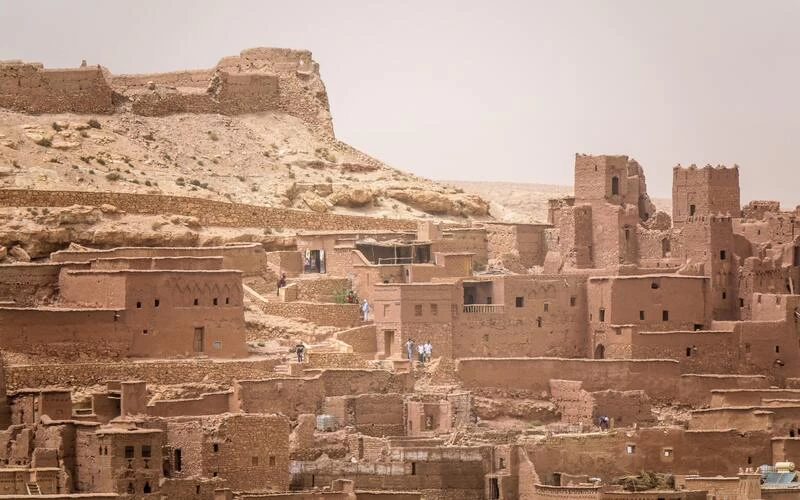
  • How to Travel Between Luxor and Aswan: A Clear 10-Step Travel Plan

    How to Travel Between Luxor and Aswan: A Clear 10-Step Travel Plan

    Planning around how to travel between Luxor and Aswan is easier when the route, daily energy, and transport are considered together instead of as separate booking decisions.

    The goal is not to force every visitor into one itinerary. Instead, the sections below show how to compare options, where time is commonly lost, and which details deserve written confirmation before payment.

    how to travel between Luxor and Aswan in Egypt
    Planning how to travel between Luxor and Aswan with a route that matches real travel time.

    How To Travel Between Luxor And Aswan: the practical answer

    Start with the route and the number of usable days. Cairo and Giza first, followed by the Nile Valley, then an optional Red Sea or desert extension is a sensible framework, but it should be adjusted for arrival time, mobility, children, special interests, and the season.

    Before booking, ask for the exact inclusions, pickup location, expected return time, entrance-ticket policy, and cancellation terms. Written details are more valuable than a long list of promises.

    Most travelers benefit from two or three nights in each major base rather than changing hotels every day. A plan that looks efficient on a map can still feel exhausting once hotel check-outs, security procedures, meals, and city traffic are included.

    Related 2B Travels experiences

    The following options were selected from the live 2B Travels tour inventory because their route, destination, or activity is relevant to this guide. Use them as starting points and request changes when your dates or pace require a private arrangement.

    Flexible duration

    Abu Simbel

    Prepare to be blown away by the magnificence of Abu Simbel temples. They are undisputedly one of the world’s most breathtaking monuments, and Egypt’s second most visited touristic site, the Pyramids of Giza being on the top of the list.…

    View this tour option →

    2B Travels planning notes for how to travel between Luxor and Aswan

    When contacting 2B Travels, include your dates, number of travelers, preferred hotel level, arrival city, departure city, and the experiences you consider essential. Mention this guide and ask the team to explain how the proposed route addresses the time, transport, and comfort points above.

    For a faster starting point, review 4 Nights at one of the finest Nile Cruises From Luxor to Aswan/ Aswan to Luxor. A second relevant option is 5 Days Trip to Siwa and Bahariya Oasis. These are internal 2B Travels links selected from the site’s current tour inventory.

    A planning framework for how to travel between Luxor and Aswan

    Use the following five decisions to turn a broad travel idea into an itinerary that can be priced, checked, and operated reliably.

    01

    Available time

    Build the plan around the number of full sightseeing days, not the number of hotel nights. Most travelers benefit from two or three nights in each major base rather than changing hotels every day.

    02

    Daily pace

    Decide whether the group prefers early starts and full days or a slower rhythm with protected meal and rest periods.

    03

    Transport

    Confirm how each transfer works, how long it normally takes, and whether waiting time is already included.

    04

    Guide and support

    Use expert guiding where context, ticket coordination, or local navigation will materially improve the experience.

    05

    Flexibility

    Leave room to adjust for weather, traffic, opening changes, or a site that deserves more time than expected.

    How to Travel Between Luxor and Aswan: A Clear 10-Step Travel Plan decision table

    This table is a fast way to match the same topic to different traveler priorities without assuming that one package suits everyone.

    Traveler priority Practical planning choice Best fit
    First visit Choose a clear route with strong highlights and enough time for explanation. Egypt
    Special interest Tell the operator the exact interest early so tickets, timing, and the right guide can be arranged. Egypt
    Value priority Spend on logistics that save a full day; simplify extras that do not improve the core experience. Egypt
    Comfort priority Protect rest time, reduce hotel changes, and confirm vehicle and room details. Egypt
    Limited time Use private transfers and group nearby sites rather than adding distant stops. Egypt

    A realistic route and pace for Egypt

    When a tour includes several districts or cities, ask for a route map or day-by-day order. A clear sequence makes it easier to spot unnecessary driving and understand which optional visits genuinely fit.

    Keep the first day after a long international flight light. Likewise, avoid placing the most important paid visit immediately before a flight, cruise embarkation, or long-distance road transfer.

    Most travelers benefit from two or three nights in each major base rather than changing hotels every day. Count transfer and check-in time as part of the itinerary rather than treating it as invisible time between attractions.

    A practical sequence is Cairo and Giza first, followed by the Nile Valley, then an optional Red Sea or desert extension. This order reduces unnecessary backtracking and keeps the most demanding outdoor sightseeing away from the hottest or busiest part of the day where possible.

    Travel planning for Egypt
    A related 2B Travels experience in Egypt.

    Practical logistics that deserve confirmation

    Logistics point 1: Sequence cities by geography

    Use realistic time ranges instead of assuming perfect conditions. Traffic, security checks, weather, and visitor volume can affect the final order without reducing the overall value of the day.

    Logistics point 2: Protect arrival and departure days

    Ask for this detail in writing before final payment. For how to travel between Luxor and Aswan, small differences in timing can change how much of the day is spent sightseeing rather than waiting or driving.

    Logistics point 3: Confirm domestic transport before hotels become non-refundable

    This is especially important when the plan combines private touring with flights, cruises, hotel changes, or fixed-entry attractions. Confirm the responsible contact and the fallback plan.

    Logistics point 4: Keep one flexible half-day for delays or personal interests

    A good itinerary states what happens, where the meeting point is, and what is not included. That clarity prevents last-minute pressure and makes price comparisons fairer.

    Budget and value: compare the complete experience

    The lowest headline price is not always the lowest total cost. Compare private or shared transport, hotel level, entrance tickets, guiding, meals, domestic travel, taxes, and optional activities together.

    Ask how child policies, single supplements, seasonal rates, and last-minute changes are handled. If a price is described as ‘from’, request the exact basis for your dates and party size.

    Keep a contingency for meals not included, tips, personal shopping, extra entrance tickets, and schedule changes. The appropriate amount depends on the itinerary and travel style, not a universal daily figure.

    Value is strongest when spending removes a genuine problem: a long transfer, repeated ticket queues, a poorly located hotel, or an itinerary that needs local coordination. Decorative extras are less important than reliable timing and support.

    Safety, comfort, and responsible travel

    Share mobility, dietary, medical, swimming, heat, or sensory needs before booking. Operators can only plan appropriate vehicles, walking distances, meal stops, and assistance when the requirements are specific.

    Use current official travel and entry information close to departure, because requirements and local conditions can change. A blog guide should support planning, not replace official instructions.

    At archaeological, religious, desert, and marine sites, follow local rules and guide instructions. Avoid touching fragile surfaces, collecting natural material, feeding wildlife, or stepping on coral.

    Keep valuables discreet, use agreed pickup points, and confirm the identity of the driver or representative. Save the operator’s local contact and the hotel address offline.

    Common mistakes to avoid

    • Booking every day at maximum pace: Without rest or flexibility, one delay can affect several later bookings.
    • Ignoring transfer time: Airport procedures, city traffic, road stops, and hotel changes all consume usable time.
    • Waiting to explain special needs: Late requests for access, dietary support, child seats, or specific room types may not be possible.
    • Choosing links that are not relevant: Internal recommendations should support the exact destination or planning question, not exist only for SEO.
    • Using generic advice for every month: Temperature, daylight, wind, water conditions, and holiday periods change the best daily schedule.
    • Comparing prices without inclusions: Two packages with similar titles may include very different tickets, meals, transport, and guiding.

    Best time and seasonal planning

    October through April usually offers milder sightseeing conditions, while summer works better with early starts, indoor breaks, and carefully planned transfers.

    Instead of choosing a month only by average temperature, consider the main activity. Desert camping, city walking, snorkeling, photography, and family sightseeing each respond differently to heat, wind, crowds, and daylight.

    During busy holiday periods, secure limited-capacity transport and important hotels first. Keep flexible attractions until the key route is confirmed.

    For summer travel, move exposed sightseeing earlier, use air-conditioned transfers, schedule a proper midday break, and carry more water than you expect to need.

    Booking checklist

    1. Every traveler’s passport spelling and nationality are supplied correctly where required.
    2. Special mobility, dietary, medical, or child requirements are confirmed in writing.
    3. Exact travel dates, arrival time, and departure time are confirmed.
    4. The day-by-day route shows realistic pickup and return ranges.
    5. The operator’s emergency and WhatsApp contact is saved before travel.
    6. Domestic flights, trains, cruises, or long transfers have adequate connection time.
    7. Hotel category, room type, meal plan, and location are written clearly.
    8. Included and excluded entrance tickets are named rather than described generally.
    9. Cancellation, amendment, and payment terms are understood before payment.
    10. Private versus shared services are identified for each day.

    Who will enjoy this plan most?

    It also suits couples, families, solo travelers, and mature travelers when the daily pace and support level are adjusted honestly before booking.

    This approach works well for first-time visitors who want a dependable structure while still keeping room for personal interests in Egypt.

    People with a narrow special interest should reduce the number of general stops and protect more time for the places, guides, or activities that matter most to them.

    Travelers who prefer spontaneous independent travel can still use the framework to reserve only the complicated sections, such as long transfers, remote areas, fixed-timing sites, or specialist activities.

    Turn the research into a bookable plan

    Use this guide as a review checklist, then ask for a written itinerary built around your actual flights and travel style. Start with 4 Nights at one of the finest Nile Cruises From Luxor to Aswan/ Aswan to Luxor or compare it with Abu Simbel before requesting a customized route.

    Frequently asked questions about how to travel between Luxor and Aswan

    What is the best first step for how to travel between Luxor and Aswan?

    Confirm the number of full travel days and the arrival and departure points. Those facts determine the workable route before hotels or optional activities are selected.

    How far in advance should the trip be arranged?

    Reserve earlier for peak periods, limited cruise dates, specific hotels, domestic flights, and special-access requests. Simpler private day tours can often remain flexible.

    Is a private tour always necessary?

    No. Private support is most valuable when time is limited, the route is complex, the group has special requirements, or deeper guiding matters. Shared services can be appropriate for straightforward activities.

    What details should be confirmed before payment?

    Confirm the exact itinerary, private or shared status, pickup point, tickets, meals, transport type, hotel details, cancellation policy, and the contact responsible during travel.

    Which 2B Travels tour is most relevant to how to travel between Luxor and Aswan?

    The closest current match is 4 Nights at one of the finest Nile Cruises From Luxor to Aswan/ Aswan to Luxor. The final choice should still be checked against your dates, desired pace, and the latest operating schedule.

    Plan with a local travel expert

    Ready to turn this guide into your Egypt itinerary?

    Tell us your dates, preferred pace, hotel level and must-see experiences. Our team will match the research in this article with a private, practical tour plan.
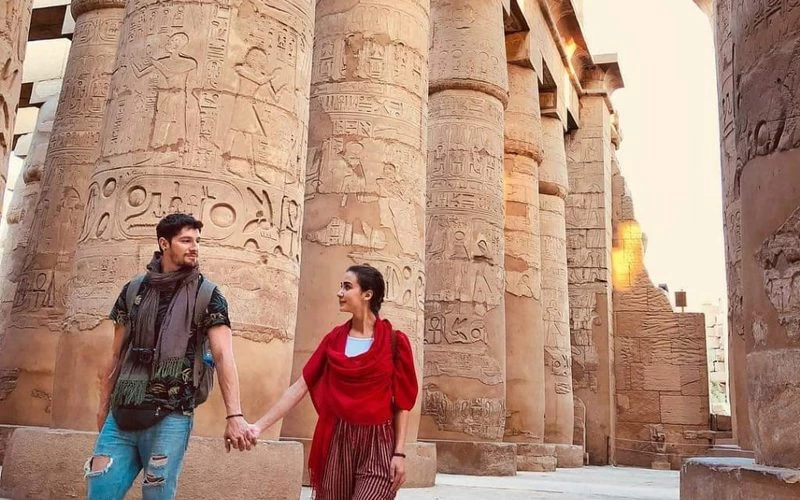
  • Cairo to Aswan Flight vs Train: 7 Key Differences Before You Book

    Cairo to Aswan Flight vs Train: 7 Key Differences Before You Book

    Planning around Cairo to Aswan flight vs train is easier when the route, daily energy, and transport are considered together instead of as separate booking decisions.

    This guide focuses on practical choices that can be used before booking and again while reviewing a proposed itinerary. It also connects the topic to real experiences already available through 2B Travels, so the advice leads to usable next steps rather than a generic checklist.

    Cairo to Aswan flight vs train in Egypt
    Planning Cairo to Aswan flight vs train with a route that matches real travel time.

    Cairo To Aswan Flight Vs Train: the practical answer

    Start with the route and the number of usable days. Cairo and Giza first, followed by the Nile Valley, then an optional Red Sea or desert extension is a sensible framework, but it should be adjusted for arrival time, mobility, children, special interests, and the season.

    Before booking, ask for the exact inclusions, pickup location, expected return time, entrance-ticket policy, and cancellation terms. Written details are more valuable than a long list of promises.

    Most travelers benefit from two or three nights in each major base rather than changing hotels every day. A plan that looks efficient on a map can still feel exhausting once hotel check-outs, security procedures, meals, and city traffic are included.

    Related 2B Travels experiences

    The following options were selected from the live 2B Travels tour inventory because their route, destination, or activity is relevant to this guide. Use them as starting points and request changes when your dates or pace require a private arrangement.

    Flexible duration

    Aswan

    Located about 899 km south from Cairo, Aswan is a serene Nile Valley destination where the Nile is more majestic than anywhere else, flowing through granite rocks, and round emerald islands covered in palm groves and tropical plants. It…

    View this tour option →

    2B Travels planning notes for Cairo to Aswan flight vs train

    When contacting 2B Travels, include your dates, number of travelers, preferred hotel level, arrival city, departure city, and the experiences you consider essential. Mention this guide and ask the team to explain how the proposed route addresses the time, transport, and comfort points above.

    For a faster starting point, review From Cairo Tour To Abu Simble Via Aswan. A second relevant option is 5 Days Trip to Siwa and Bahariya Oasis. These are internal 2B Travels links selected from the site’s current tour inventory.

    A planning framework for Cairo to Aswan flight vs train

    Use the following five decisions to turn a broad travel idea into an itinerary that can be priced, checked, and operated reliably.

    01

    The real difference

    Compare the experience delivered, not just the label or headline price.

    02

    Daily pace

    Decide whether the group prefers early starts and full days or a slower rhythm with protected meal and rest periods.

    03

    Transport

    Confirm how each transfer works, how long it normally takes, and whether waiting time is already included.

    04

    Guide and support

    Use expert guiding where context, ticket coordination, or local navigation will materially improve the experience.

    05

    Flexibility

    Leave room to adjust for weather, traffic, opening changes, or a site that deserves more time than expected.

    Cairo to Aswan Flight vs Train: 7 Key Differences Before You Book decision table

    This table is a fast way to match the same topic to different traveler priorities without assuming that one package suits everyone.

    Traveler priority Practical planning choice Best fit
    Special interest Tell the operator the exact interest early so tickets, timing, and the right guide can be arranged. Egypt
    Limited time Use private transfers and group nearby sites rather than adding distant stops. Egypt
    First visit Choose a clear route with strong highlights and enough time for explanation. Egypt
    Comfort priority Protect rest time, reduce hotel changes, and confirm vehicle and room details. Egypt
    Value priority Spend on logistics that save a full day; simplify extras that do not improve the core experience. Egypt

    A realistic route and pace for Egypt

    When a tour includes several districts or cities, ask for a route map or day-by-day order. A clear sequence makes it easier to spot unnecessary driving and understand which optional visits genuinely fit.

    Most travelers benefit from two or three nights in each major base rather than changing hotels every day. Count transfer and check-in time as part of the itinerary rather than treating it as invisible time between attractions.

    Keep the first day after a long international flight light. Likewise, avoid placing the most important paid visit immediately before a flight, cruise embarkation, or long-distance road transfer.

    A practical sequence is Cairo and Giza first, followed by the Nile Valley, then an optional Red Sea or desert extension. This order reduces unnecessary backtracking and keeps the most demanding outdoor sightseeing away from the hottest or busiest part of the day where possible.

    Travel planning for Egypt
    A related 2B Travels experience in Egypt.

    Practical logistics that deserve confirmation

    Logistics point 1: Sequence cities by geography

    Ask for this detail in writing before final payment. For Cairo to Aswan flight vs train, small differences in timing can change how much of the day is spent sightseeing rather than waiting or driving.

    Logistics point 2: Protect arrival and departure days

    This is especially important when the plan combines private touring with flights, cruises, hotel changes, or fixed-entry attractions. Confirm the responsible contact and the fallback plan.

    Logistics point 3: Confirm domestic transport before hotels become non-refundable

    A good itinerary states what happens, where the meeting point is, and what is not included. That clarity prevents last-minute pressure and makes price comparisons fairer.

    Logistics point 4: Keep one flexible half-day for delays or personal interests

    Use realistic time ranges instead of assuming perfect conditions. Traffic, security checks, weather, and visitor volume can affect the final order without reducing the overall value of the day.

    Budget and value: compare the complete experience

    Ask how child policies, single supplements, seasonal rates, and last-minute changes are handled. If a price is described as ‘from’, request the exact basis for your dates and party size.

    Value is strongest when spending removes a genuine problem: a long transfer, repeated ticket queues, a poorly located hotel, or an itinerary that needs local coordination. Decorative extras are less important than reliable timing and support.

    Keep a contingency for meals not included, tips, personal shopping, extra entrance tickets, and schedule changes. The appropriate amount depends on the itinerary and travel style, not a universal daily figure.

    The lowest headline price is not always the lowest total cost. Compare private or shared transport, hotel level, entrance tickets, guiding, meals, domestic travel, taxes, and optional activities together.

    Safety, comfort, and responsible travel

    Keep valuables discreet, use agreed pickup points, and confirm the identity of the driver or representative. Save the operator’s local contact and the hotel address offline.

    Use current official travel and entry information close to departure, because requirements and local conditions can change. A blog guide should support planning, not replace official instructions.

    At archaeological, religious, desert, and marine sites, follow local rules and guide instructions. Avoid touching fragile surfaces, collecting natural material, feeding wildlife, or stepping on coral.

    Share mobility, dietary, medical, swimming, heat, or sensory needs before booking. Operators can only plan appropriate vehicles, walking distances, meal stops, and assistance when the requirements are specific.

    Common mistakes to avoid

    • Ignoring transfer time: Airport procedures, city traffic, road stops, and hotel changes all consume usable time.
    • Choosing links that are not relevant: Internal recommendations should support the exact destination or planning question, not exist only for SEO.
    • Comparing prices without inclusions: Two packages with similar titles may include very different tickets, meals, transport, and guiding.
    • Waiting to explain special needs: Late requests for access, dietary support, child seats, or specific room types may not be possible.
    • Booking every day at maximum pace: Without rest or flexibility, one delay can affect several later bookings.
    • Planning by attraction count: A day with eight names can contain less real experience than a day with four well-sequenced visits.

    Best time and seasonal planning

    October through April usually offers milder sightseeing conditions, while summer works better with early starts, indoor breaks, and carefully planned transfers.

    Instead of choosing a month only by average temperature, consider the main activity. Desert camping, city walking, snorkeling, photography, and family sightseeing each respond differently to heat, wind, crowds, and daylight.

    During busy holiday periods, secure limited-capacity transport and important hotels first. Keep flexible attractions until the key route is confirmed.

    For summer travel, move exposed sightseeing earlier, use air-conditioned transfers, schedule a proper midday break, and carry more water than you expect to need.

    Booking checklist

    1. Included and excluded entrance tickets are named rather than described generally.
    2. Domestic flights, trains, cruises, or long transfers have adequate connection time.
    3. Special mobility, dietary, medical, or child requirements are confirmed in writing.
    4. Cancellation, amendment, and payment terms are understood before payment.
    5. The operator’s emergency and WhatsApp contact is saved before travel.
    6. The day-by-day route shows realistic pickup and return ranges.
    7. Hotel category, room type, meal plan, and location are written clearly.
    8. Private versus shared services are identified for each day.
    9. Every traveler’s passport spelling and nationality are supplied correctly where required.
    10. Exact travel dates, arrival time, and departure time are confirmed.

    Who will enjoy this plan most?

    This approach works well for first-time visitors who want a dependable structure while still keeping room for personal interests in Egypt.

    It also suits couples, families, solo travelers, and mature travelers when the daily pace and support level are adjusted honestly before booking.

    People with a narrow special interest should reduce the number of general stops and protect more time for the places, guides, or activities that matter most to them.

    Travelers who prefer spontaneous independent travel can still use the framework to reserve only the complicated sections, such as long transfers, remote areas, fixed-timing sites, or specialist activities.

    Turn the research into a bookable plan

    Use this guide as a review checklist, then ask for a written itinerary built around your actual flights and travel style. Start with From Cairo Tour To Abu Simble Via Aswan or compare it with Aswan before requesting a customized route.

    Frequently asked questions about Cairo to Aswan flight vs train

    What is the best first step for Cairo to Aswan flight vs train?

    Confirm the number of full travel days and the arrival and departure points. Those facts determine the workable route before hotels or optional activities are selected.

    How far in advance should the trip be arranged?

    Reserve earlier for peak periods, limited cruise dates, specific hotels, domestic flights, and special-access requests. Simpler private day tours can often remain flexible.

    Is a private tour always necessary?

    No. Private support is most valuable when time is limited, the route is complex, the group has special requirements, or deeper guiding matters. Shared services can be appropriate for straightforward activities.

    What details should be confirmed before payment?

    Confirm the exact itinerary, private or shared status, pickup point, tickets, meals, transport type, hotel details, cancellation policy, and the contact responsible during travel.

    Which 2B Travels tour is most relevant to Cairo to Aswan flight vs train?

    The closest current match is From Cairo Tour To Abu Simble Via Aswan. The final choice should still be checked against your dates, desired pace, and the latest operating schedule.

    Plan with a local travel expert

    Ready to turn this guide into your Egypt itinerary?

    Tell us your dates, preferred pace, hotel level and must-see experiences. Our team will match the research in this article with a private, practical tour plan.
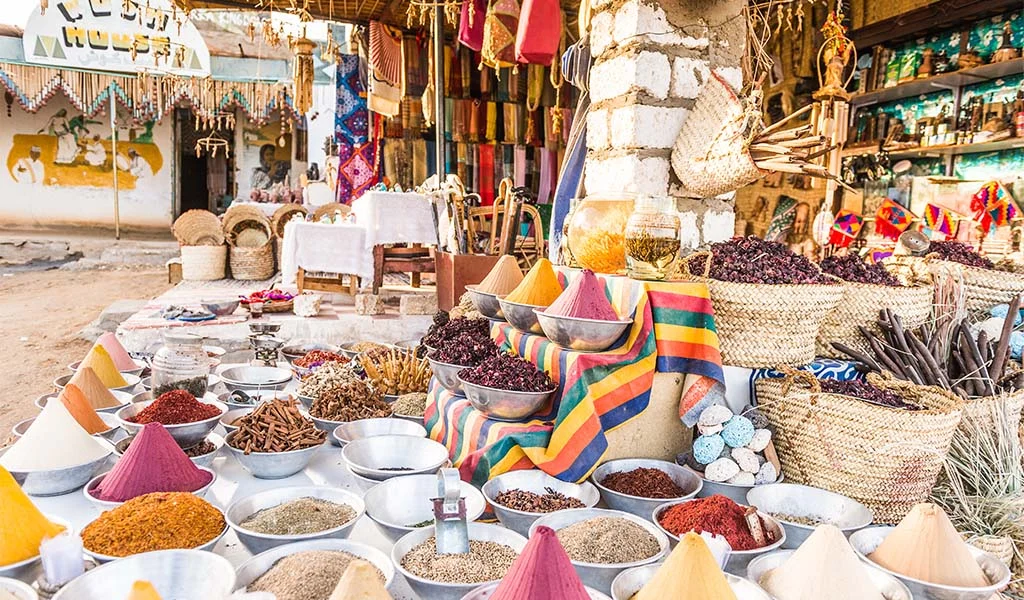
  • Egypt Sleeper Train Guide: A Practical Guide for First-Time Visitors

    Egypt Sleeper Train Guide: A Practical Guide for First-Time Visitors

    Good decisions about Egypt sleeper train guide come from matching expectations with geography, opening hours, transfer time, and the pace of the people traveling.

    The goal is not to force every visitor into one itinerary. Instead, the sections below show how to compare options, where time is commonly lost, and which details deserve written confirmation before payment.

    Egypt sleeper train guide in Egypt
    Planning Egypt sleeper train guide with a route that matches real travel time.

    Egypt Sleeper Train Guide: the practical answer

    Start with the route and the number of usable days. Cairo and Giza first, followed by the Nile Valley, then an optional Red Sea or desert extension is a sensible framework, but it should be adjusted for arrival time, mobility, children, special interests, and the season.

    Before booking, ask for the exact inclusions, pickup location, expected return time, entrance-ticket policy, and cancellation terms. Written details are more valuable than a long list of promises.

    Most travelers benefit from two or three nights in each major base rather than changing hotels every day. A plan that looks efficient on a map can still feel exhausting once hotel check-outs, security procedures, meals, and city traffic are included.

    Related 2B Travels experiences

    The following options were selected from the live 2B Travels tour inventory because their route, destination, or activity is relevant to this guide. Use them as starting points and request changes when your dates or pace require a private arrangement.

    2B Travels planning notes for Egypt sleeper train guide

    When contacting 2B Travels, include your dates, number of travelers, preferred hotel level, arrival city, departure city, and the experiences you consider essential. Mention this guide and ask the team to explain how the proposed route addresses the time, transport, and comfort points above.

    For a faster starting point, review 4 Nights at one of the finest Nile Cruises From Luxor to Aswan/ Aswan to Luxor. A second relevant option is 5 Days Trip to Siwa and Bahariya Oasis. These are internal 2B Travels links selected from the site’s current tour inventory.

    A planning framework for Egypt sleeper train guide

    Use the following five decisions to turn a broad travel idea into an itinerary that can be priced, checked, and operated reliably.

    01

    Available time

    Build the plan around the number of full sightseeing days, not the number of hotel nights. Most travelers benefit from two or three nights in each major base rather than changing hotels every day.

    02

    Daily pace

    Decide whether the group prefers early starts and full days or a slower rhythm with protected meal and rest periods.

    03

    Transport

    Confirm how each transfer works, how long it normally takes, and whether waiting time is already included.

    04

    Guide and support

    Use expert guiding where context, ticket coordination, or local navigation will materially improve the experience.

    05

    Flexibility

    Leave room to adjust for weather, traffic, opening changes, or a site that deserves more time than expected.

    Egypt Sleeper Train Guide: A Practical Guide for First-Time Visitors decision table

    This table is a fast way to match the same topic to different traveler priorities without assuming that one package suits everyone.

    Traveler priority Practical planning choice Best fit
    First visit Choose a clear route with strong highlights and enough time for explanation. Egypt
    Limited time Use private transfers and group nearby sites rather than adding distant stops. Egypt
    Special interest Tell the operator the exact interest early so tickets, timing, and the right guide can be arranged. Egypt
    Value priority Spend on logistics that save a full day; simplify extras that do not improve the core experience. Egypt
    Comfort priority Protect rest time, reduce hotel changes, and confirm vehicle and room details. Egypt

    A realistic route and pace for Egypt

    When a tour includes several districts or cities, ask for a route map or day-by-day order. A clear sequence makes it easier to spot unnecessary driving and understand which optional visits genuinely fit.

    Keep the first day after a long international flight light. Likewise, avoid placing the most important paid visit immediately before a flight, cruise embarkation, or long-distance road transfer.

    A practical sequence is Cairo and Giza first, followed by the Nile Valley, then an optional Red Sea or desert extension. This order reduces unnecessary backtracking and keeps the most demanding outdoor sightseeing away from the hottest or busiest part of the day where possible.

    Most travelers benefit from two or three nights in each major base rather than changing hotels every day. Count transfer and check-in time as part of the itinerary rather than treating it as invisible time between attractions.

    Travel planning for Egypt
    A related 2B Travels experience in Egypt.

    Practical logistics that deserve confirmation

    Logistics point 1: Sequence cities by geography

    This is especially important when the plan combines private touring with flights, cruises, hotel changes, or fixed-entry attractions. Confirm the responsible contact and the fallback plan.

    Logistics point 2: Protect arrival and departure days

    A good itinerary states what happens, where the meeting point is, and what is not included. That clarity prevents last-minute pressure and makes price comparisons fairer.

    Logistics point 3: Confirm domestic transport before hotels become non-refundable

    Use realistic time ranges instead of assuming perfect conditions. Traffic, security checks, weather, and visitor volume can affect the final order without reducing the overall value of the day.

    Logistics point 4: Keep one flexible half-day for delays or personal interests

    Ask for this detail in writing before final payment. For Egypt sleeper train guide, small differences in timing can change how much of the day is spent sightseeing rather than waiting or driving.

    Budget and value: compare the complete experience

    Keep a contingency for meals not included, tips, personal shopping, extra entrance tickets, and schedule changes. The appropriate amount depends on the itinerary and travel style, not a universal daily figure.

    Value is strongest when spending removes a genuine problem: a long transfer, repeated ticket queues, a poorly located hotel, or an itinerary that needs local coordination. Decorative extras are less important than reliable timing and support.

    The lowest headline price is not always the lowest total cost. Compare private or shared transport, hotel level, entrance tickets, guiding, meals, domestic travel, taxes, and optional activities together.

    Ask how child policies, single supplements, seasonal rates, and last-minute changes are handled. If a price is described as ‘from’, request the exact basis for your dates and party size.

    Safety, comfort, and responsible travel

    Keep valuables discreet, use agreed pickup points, and confirm the identity of the driver or representative. Save the operator’s local contact and the hotel address offline.

    Share mobility, dietary, medical, swimming, heat, or sensory needs before booking. Operators can only plan appropriate vehicles, walking distances, meal stops, and assistance when the requirements are specific.

    At archaeological, religious, desert, and marine sites, follow local rules and guide instructions. Avoid touching fragile surfaces, collecting natural material, feeding wildlife, or stepping on coral.

    Use current official travel and entry information close to departure, because requirements and local conditions can change. A blog guide should support planning, not replace official instructions.

    Common mistakes to avoid

    • Comparing prices without inclusions: Two packages with similar titles may include very different tickets, meals, transport, and guiding.
    • Planning by attraction count: A day with eight names can contain less real experience than a day with four well-sequenced visits.
    • Choosing links that are not relevant: Internal recommendations should support the exact destination or planning question, not exist only for SEO.
    • Using generic advice for every month: Temperature, daylight, wind, water conditions, and holiday periods change the best daily schedule.
    • Waiting to explain special needs: Late requests for access, dietary support, child seats, or specific room types may not be possible.
    • Ignoring transfer time: Airport procedures, city traffic, road stops, and hotel changes all consume usable time.

    Best time and seasonal planning

    October through April usually offers milder sightseeing conditions, while summer works better with early starts, indoor breaks, and carefully planned transfers.

    Instead of choosing a month only by average temperature, consider the main activity. Desert camping, city walking, snorkeling, photography, and family sightseeing each respond differently to heat, wind, crowds, and daylight.

    During busy holiday periods, secure limited-capacity transport and important hotels first. Keep flexible attractions until the key route is confirmed.

    For summer travel, move exposed sightseeing earlier, use air-conditioned transfers, schedule a proper midday break, and carry more water than you expect to need.

    Booking checklist

    1. Private versus shared services are identified for each day.
    2. Every traveler’s passport spelling and nationality are supplied correctly where required.
    3. Hotel category, room type, meal plan, and location are written clearly.
    4. Cancellation, amendment, and payment terms are understood before payment.
    5. The day-by-day route shows realistic pickup and return ranges.
    6. Included and excluded entrance tickets are named rather than described generally.
    7. Domestic flights, trains, cruises, or long transfers have adequate connection time.
    8. Exact travel dates, arrival time, and departure time are confirmed.
    9. The operator’s emergency and WhatsApp contact is saved before travel.
    10. Special mobility, dietary, medical, or child requirements are confirmed in writing.

    Who will enjoy this plan most?

    It also suits couples, families, solo travelers, and mature travelers when the daily pace and support level are adjusted honestly before booking.

    People with a narrow special interest should reduce the number of general stops and protect more time for the places, guides, or activities that matter most to them.

    Travelers who prefer spontaneous independent travel can still use the framework to reserve only the complicated sections, such as long transfers, remote areas, fixed-timing sites, or specialist activities.

    This approach works well for first-time visitors who want a dependable structure while still keeping room for personal interests in Egypt.

    Turn the research into a bookable plan

    Use this guide as a review checklist, then ask for a written itinerary built around your actual flights and travel style. Start with 4 Nights at one of the finest Nile Cruises From Luxor to Aswan/ Aswan to Luxor or compare it with Day Tour To Giza Pyramids, Memphis, Dahshur and Sakkara Pyramids before requesting a customized route.

    Frequently asked questions about Egypt sleeper train guide

    What is the best first step for Egypt sleeper train guide?

    Confirm the number of full travel days and the arrival and departure points. Those facts determine the workable route before hotels or optional activities are selected.

    How far in advance should the trip be arranged?

    Reserve earlier for peak periods, limited cruise dates, specific hotels, domestic flights, and special-access requests. Simpler private day tours can often remain flexible.

    Is a private tour always necessary?

    No. Private support is most valuable when time is limited, the route is complex, the group has special requirements, or deeper guiding matters. Shared services can be appropriate for straightforward activities.

    What details should be confirmed before payment?

    Confirm the exact itinerary, private or shared status, pickup point, tickets, meals, transport type, hotel details, cancellation policy, and the contact responsible during travel.

    Which 2B Travels tour is most relevant to Egypt sleeper train guide?

    The closest current match is 4 Nights at one of the finest Nile Cruises From Luxor to Aswan/ Aswan to Luxor. The final choice should still be checked against your dates, desired pace, and the latest operating schedule.

    Plan with a local travel expert

    Ready to turn this guide into your Egypt itinerary?

    Tell us your dates, preferred pace, hotel level and must-see experiences. Our team will match the research in this article with a private, practical tour plan.

  • How to Travel Between Cairo and Luxor: 9 Expert Tips for Better Planning

    How to Travel Between Cairo and Luxor: 9 Expert Tips for Better Planning

    A useful approach to how to travel between Cairo and Luxor starts with the traveler’s real priorities: time, comfort, historical depth, activity level, and budget.

    This guide focuses on practical choices that can be used before booking and again while reviewing a proposed itinerary. It also connects the topic to real experiences already available through 2B Travels, so the advice leads to usable next steps rather than a generic checklist.

    how to travel between Cairo and Luxor in Egypt
    Planning how to travel between Cairo and Luxor with a route that matches real travel time.

    How To Travel Between Cairo And Luxor: the practical answer

    Start with the route and the number of usable days. Cairo and Giza first, followed by the Nile Valley, then an optional Red Sea or desert extension is a sensible framework, but it should be adjusted for arrival time, mobility, children, special interests, and the season.

    Before booking, ask for the exact inclusions, pickup location, expected return time, entrance-ticket policy, and cancellation terms. Written details are more valuable than a long list of promises.

    Most travelers benefit from two or three nights in each major base rather than changing hotels every day. A plan that looks efficient on a map can still feel exhausting once hotel check-outs, security procedures, meals, and city traffic are included.

    Related 2B Travels experiences

    The following options were selected from the live 2B Travels tour inventory because their route, destination, or activity is relevant to this guide. Use them as starting points and request changes when your dates or pace require a private arrangement.

    Flexible duration

    Day Trip To Luxor From Cairo by Air

    Overview Fly to Luxor for the day to see Luxor’s best sites in one day. Visit Karnak Temple on the East bank and see the Valley of the Kings and Hatshepsut Temple on the West bank. We will pick you up at the hotel and guide you whole…

    View this tour option →

    2B Travels planning notes for how to travel between Cairo and Luxor

    When contacting 2B Travels, include your dates, number of travelers, preferred hotel level, arrival city, departure city, and the experiences you consider essential. Mention this guide and ask the team to explain how the proposed route addresses the time, transport, and comfort points above.

    For a faster starting point, review 5 Days Trip to Siwa and Bahariya Oasis. A second relevant option is Day Trip To Luxor From Cairo by Air. These are internal 2B Travels links selected from the site’s current tour inventory.

    A planning framework for how to travel between Cairo and Luxor

    Use the following five decisions to turn a broad travel idea into an itinerary that can be priced, checked, and operated reliably.

    01

    Available time

    Build the plan around the number of full sightseeing days, not the number of hotel nights. Most travelers benefit from two or three nights in each major base rather than changing hotels every day.

    02

    Daily pace

    Decide whether the group prefers early starts and full days or a slower rhythm with protected meal and rest periods.

    03

    Transport

    Confirm how each transfer works, how long it normally takes, and whether waiting time is already included.

    04

    Guide and support

    Use expert guiding where context, ticket coordination, or local navigation will materially improve the experience.

    05

    Flexibility

    Leave room to adjust for weather, traffic, opening changes, or a site that deserves more time than expected.

    How to Travel Between Cairo and Luxor: 9 Expert Tips for Better Planning decision table

    This table is a fast way to match the same topic to different traveler priorities without assuming that one package suits everyone.

    Traveler priority Practical planning choice Best fit
    First visit Choose a clear route with strong highlights and enough time for explanation. Egypt
    Special interest Tell the operator the exact interest early so tickets, timing, and the right guide can be arranged. Egypt
    Value priority Spend on logistics that save a full day; simplify extras that do not improve the core experience. Egypt
    Limited time Use private transfers and group nearby sites rather than adding distant stops. Egypt
    Comfort priority Protect rest time, reduce hotel changes, and confirm vehicle and room details. Egypt

    A realistic route and pace for Egypt

    Keep the first day after a long international flight light. Likewise, avoid placing the most important paid visit immediately before a flight, cruise embarkation, or long-distance road transfer.

    When a tour includes several districts or cities, ask for a route map or day-by-day order. A clear sequence makes it easier to spot unnecessary driving and understand which optional visits genuinely fit.

    Most travelers benefit from two or three nights in each major base rather than changing hotels every day. Count transfer and check-in time as part of the itinerary rather than treating it as invisible time between attractions.

    A practical sequence is Cairo and Giza first, followed by the Nile Valley, then an optional Red Sea or desert extension. This order reduces unnecessary backtracking and keeps the most demanding outdoor sightseeing away from the hottest or busiest part of the day where possible.

    Travel planning for Egypt
    A related 2B Travels experience in Egypt.

    Practical logistics that deserve confirmation

    Logistics point 1: Sequence cities by geography

    A good itinerary states what happens, where the meeting point is, and what is not included. That clarity prevents last-minute pressure and makes price comparisons fairer.

    Logistics point 2: Protect arrival and departure days

    Use realistic time ranges instead of assuming perfect conditions. Traffic, security checks, weather, and visitor volume can affect the final order without reducing the overall value of the day.

    Logistics point 3: Confirm domestic transport before hotels become non-refundable

    Ask for this detail in writing before final payment. For how to travel between Cairo and Luxor, small differences in timing can change how much of the day is spent sightseeing rather than waiting or driving.

    Logistics point 4: Keep one flexible half-day for delays or personal interests

    This is especially important when the plan combines private touring with flights, cruises, hotel changes, or fixed-entry attractions. Confirm the responsible contact and the fallback plan.

    Budget and value: compare the complete experience

    Value is strongest when spending removes a genuine problem: a long transfer, repeated ticket queues, a poorly located hotel, or an itinerary that needs local coordination. Decorative extras are less important than reliable timing and support.

    The lowest headline price is not always the lowest total cost. Compare private or shared transport, hotel level, entrance tickets, guiding, meals, domestic travel, taxes, and optional activities together.

    Keep a contingency for meals not included, tips, personal shopping, extra entrance tickets, and schedule changes. The appropriate amount depends on the itinerary and travel style, not a universal daily figure.

    Ask how child policies, single supplements, seasonal rates, and last-minute changes are handled. If a price is described as ‘from’, request the exact basis for your dates and party size.

    Safety, comfort, and responsible travel

    Use current official travel and entry information close to departure, because requirements and local conditions can change. A blog guide should support planning, not replace official instructions.

    Share mobility, dietary, medical, swimming, heat, or sensory needs before booking. Operators can only plan appropriate vehicles, walking distances, meal stops, and assistance when the requirements are specific.

    Keep valuables discreet, use agreed pickup points, and confirm the identity of the driver or representative. Save the operator’s local contact and the hotel address offline.

    At archaeological, religious, desert, and marine sites, follow local rules and guide instructions. Avoid touching fragile surfaces, collecting natural material, feeding wildlife, or stepping on coral.

    Common mistakes to avoid

    • Choosing links that are not relevant: Internal recommendations should support the exact destination or planning question, not exist only for SEO.
    • Planning by attraction count: A day with eight names can contain less real experience than a day with four well-sequenced visits.
    • Using generic advice for every month: Temperature, daylight, wind, water conditions, and holiday periods change the best daily schedule.
    • Waiting to explain special needs: Late requests for access, dietary support, child seats, or specific room types may not be possible.
    • Ignoring transfer time: Airport procedures, city traffic, road stops, and hotel changes all consume usable time.
    • Booking every day at maximum pace: Without rest or flexibility, one delay can affect several later bookings.

    Best time and seasonal planning

    October through April usually offers milder sightseeing conditions, while summer works better with early starts, indoor breaks, and carefully planned transfers.

    Instead of choosing a month only by average temperature, consider the main activity. Desert camping, city walking, snorkeling, photography, and family sightseeing each respond differently to heat, wind, crowds, and daylight.

    During busy holiday periods, secure limited-capacity transport and important hotels first. Keep flexible attractions until the key route is confirmed.

    For summer travel, move exposed sightseeing earlier, use air-conditioned transfers, schedule a proper midday break, and carry more water than you expect to need.

    Booking checklist

    1. Cancellation, amendment, and payment terms are understood before payment.
    2. Every traveler’s passport spelling and nationality are supplied correctly where required.
    3. Hotel category, room type, meal plan, and location are written clearly.
    4. Domestic flights, trains, cruises, or long transfers have adequate connection time.
    5. Included and excluded entrance tickets are named rather than described generally.
    6. Private versus shared services are identified for each day.
    7. Exact travel dates, arrival time, and departure time are confirmed.
    8. The operator’s emergency and WhatsApp contact is saved before travel.
    9. Special mobility, dietary, medical, or child requirements are confirmed in writing.
    10. The day-by-day route shows realistic pickup and return ranges.

    Who will enjoy this plan most?

    Travelers who prefer spontaneous independent travel can still use the framework to reserve only the complicated sections, such as long transfers, remote areas, fixed-timing sites, or specialist activities.

    This approach works well for first-time visitors who want a dependable structure while still keeping room for personal interests in Egypt.

    It also suits couples, families, solo travelers, and mature travelers when the daily pace and support level are adjusted honestly before booking.

    People with a narrow special interest should reduce the number of general stops and protect more time for the places, guides, or activities that matter most to them.

    Turn the research into a bookable plan

    Use this guide as a review checklist, then ask for a written itinerary built around your actual flights and travel style. Start with 5 Days Trip to Siwa and Bahariya Oasis or compare it with Day Tour To Pyramids and The Egyptian Museum before requesting a customized route.

    Frequently asked questions about how to travel between Cairo and Luxor

    What is the best first step for how to travel between Cairo and Luxor?

    Confirm the number of full travel days and the arrival and departure points. Those facts determine the workable route before hotels or optional activities are selected.

    How far in advance should the trip be arranged?

    Reserve earlier for peak periods, limited cruise dates, specific hotels, domestic flights, and special-access requests. Simpler private day tours can often remain flexible.

    Is a private tour always necessary?

    No. Private support is most valuable when time is limited, the route is complex, the group has special requirements, or deeper guiding matters. Shared services can be appropriate for straightforward activities.

    What details should be confirmed before payment?

    Confirm the exact itinerary, private or shared status, pickup point, tickets, meals, transport type, hotel details, cancellation policy, and the contact responsible during travel.

    Which 2B Travels tour is most relevant to how to travel between Cairo and Luxor?

    The closest current match is 5 Days Trip to Siwa and Bahariya Oasis. The final choice should still be checked against your dates, desired pace, and the latest operating schedule.

    Plan with a local travel expert

    Ready to turn this guide into your Egypt itinerary?

    Tell us your dates, preferred pace, hotel level and must-see experiences. Our team will match the research in this article with a private, practical tour plan.

4.9⭐ on TripAdvisor100% Tailor-Made24/7 Support in USA Time
Plan your Egypt trip
RECOGNIZED TRAVEL EXPERTISE

Trusted Egypt Travel Specialists

Certified expertise. Local knowledge. Travel with confidence.

2B Travels Official Egypt Specialist
2B Travels Egypt Travel Specialist