Author: admin

  • How to Plan a Trip to Egypt: 9 Expert Tips for Better Planning

    How to Plan a Trip to Egypt: 9 Expert Tips for Better Planning

    The strongest plan for how to plan a trip to Egypt is rarely the one with the longest attraction list. It is the one that works on the ground in Egypt.

    Travel conditions can change, so exact schedules and official requirements should always be checked close to departure. The planning principles below remain useful because they are based on route logic and realistic daily pacing.

    how to plan a trip to Egypt in Egypt
    Planning how to plan a trip to Egypt with a route that matches real travel time.

    How To Plan A Trip To Egypt: the practical answer

    Most travelers benefit from two or three nights in each major base rather than changing hotels every day. A plan that looks efficient on a map can still feel exhausting once hotel check-outs, security procedures, meals, and city traffic are included.

    Before booking, ask for the exact inclusions, pickup location, expected return time, entrance-ticket policy, and cancellation terms. Written details are more valuable than a long list of promises.

    Start with the route and the number of usable days. Cairo and Giza first, followed by the Nile Valley, then an optional Red Sea or desert extension is a sensible framework, but it should be adjusted for arrival time, mobility, children, special interests, and the season.

    Related 2B Travels experiences

    The following options were selected from the live 2B Travels tour inventory because their route, destination, or activity is relevant to this guide. Use them as starting points and request changes when your dates or pace require a private arrangement.

    2B Travels planning notes for how to plan a trip to Egypt

    When contacting 2B Travels, include your dates, number of travelers, preferred hotel level, arrival city, departure city, and the experiences you consider essential. Mention this guide and ask the team to explain how the proposed route addresses the time, transport, and comfort points above.

    For a faster starting point, review Day Tour To Pyramids and The Egyptian Museum. A second relevant option is Giza Pyramids & the Grand Egyptian Museum. These are internal 2B Travels links selected from the site’s current tour inventory.

    A planning framework for how to plan a trip to Egypt

    Use the following five decisions to turn a broad travel idea into an itinerary that can be priced, checked, and operated reliably.

    01

    Available time

    Build the plan around the number of full sightseeing days, not the number of hotel nights. Most travelers benefit from two or three nights in each major base rather than changing hotels every day.

    02

    Daily pace

    Decide whether the group prefers early starts and full days or a slower rhythm with protected meal and rest periods.

    03

    Transport

    Confirm how each transfer works, how long it normally takes, and whether waiting time is already included.

    04

    Guide and support

    Use expert guiding where context, ticket coordination, or local navigation will materially improve the experience.

    05

    Flexibility

    Leave room to adjust for weather, traffic, opening changes, or a site that deserves more time than expected.

    How to Plan a Trip to Egypt: 9 Expert Tips for Better Planning decision table

    This table is a fast way to match the same topic to different traveler priorities without assuming that one package suits everyone.

    Traveler priority Practical planning choice Best fit
    Special interest Tell the operator the exact interest early so tickets, timing, and the right guide can be arranged. Egypt
    First visit Choose a clear route with strong highlights and enough time for explanation. Egypt
    Limited time Use private transfers and group nearby sites rather than adding distant stops. Egypt
    Comfort priority Protect rest time, reduce hotel changes, and confirm vehicle and room details. Egypt
    Value priority Spend on logistics that save a full day; simplify extras that do not improve the core experience. Egypt

    A realistic route and pace for Egypt

    Keep the first day after a long international flight light. Likewise, avoid placing the most important paid visit immediately before a flight, cruise embarkation, or long-distance road transfer.

    When a tour includes several districts or cities, ask for a route map or day-by-day order. A clear sequence makes it easier to spot unnecessary driving and understand which optional visits genuinely fit.

    Most travelers benefit from two or three nights in each major base rather than changing hotels every day. Count transfer and check-in time as part of the itinerary rather than treating it as invisible time between attractions.

    A practical sequence is Cairo and Giza first, followed by the Nile Valley, then an optional Red Sea or desert extension. This order reduces unnecessary backtracking and keeps the most demanding outdoor sightseeing away from the hottest or busiest part of the day where possible.
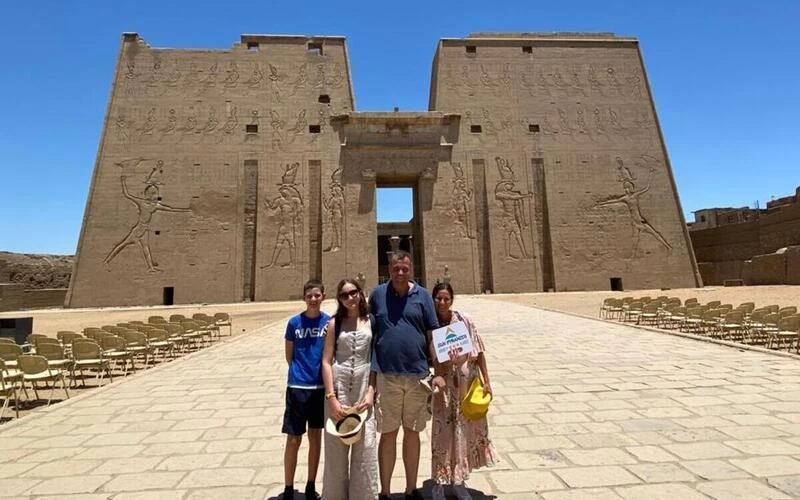
    Travel planning for Egypt
    A related 2B Travels experience in Egypt.

    Practical logistics that deserve confirmation

    Logistics point 1: Sequence cities by geography

    A good itinerary states what happens, where the meeting point is, and what is not included. That clarity prevents last-minute pressure and makes price comparisons fairer.

    Logistics point 2: Protect arrival and departure days

    Use realistic time ranges instead of assuming perfect conditions. Traffic, security checks, weather, and visitor volume can affect the final order without reducing the overall value of the day.

    Logistics point 3: Confirm domestic transport before hotels become non-refundable

    Ask for this detail in writing before final payment. For how to plan a trip to Egypt, small differences in timing can change how much of the day is spent sightseeing rather than waiting or driving.

    Logistics point 4: Keep one flexible half-day for delays or personal interests

    This is especially important when the plan combines private touring with flights, cruises, hotel changes, or fixed-entry attractions. Confirm the responsible contact and the fallback plan.

    Budget and value: compare the complete experience

    Ask how child policies, single supplements, seasonal rates, and last-minute changes are handled. If a price is described as ‘from’, request the exact basis for your dates and party size.

    Value is strongest when spending removes a genuine problem: a long transfer, repeated ticket queues, a poorly located hotel, or an itinerary that needs local coordination. Decorative extras are less important than reliable timing and support.

    Keep a contingency for meals not included, tips, personal shopping, extra entrance tickets, and schedule changes. The appropriate amount depends on the itinerary and travel style, not a universal daily figure.

    The lowest headline price is not always the lowest total cost. Compare private or shared transport, hotel level, entrance tickets, guiding, meals, domestic travel, taxes, and optional activities together.

    Safety, comfort, and responsible travel

    Keep valuables discreet, use agreed pickup points, and confirm the identity of the driver or representative. Save the operator’s local contact and the hotel address offline.

    Share mobility, dietary, medical, swimming, heat, or sensory needs before booking. Operators can only plan appropriate vehicles, walking distances, meal stops, and assistance when the requirements are specific.

    Use current official travel and entry information close to departure, because requirements and local conditions can change. A blog guide should support planning, not replace official instructions.

    At archaeological, religious, desert, and marine sites, follow local rules and guide instructions. Avoid touching fragile surfaces, collecting natural material, feeding wildlife, or stepping on coral.

    Common mistakes to avoid

    • Waiting to explain special needs: Late requests for access, dietary support, child seats, or specific room types may not be possible.
    • Comparing prices without inclusions: Two packages with similar titles may include very different tickets, meals, transport, and guiding.
    • Planning by attraction count: A day with eight names can contain less real experience than a day with four well-sequenced visits.
    • Using generic advice for every month: Temperature, daylight, wind, water conditions, and holiday periods change the best daily schedule.
    • Ignoring transfer time: Airport procedures, city traffic, road stops, and hotel changes all consume usable time.
    • Choosing links that are not relevant: Internal recommendations should support the exact destination or planning question, not exist only for SEO.

    Best time and seasonal planning

    October through April usually offers milder sightseeing conditions, while summer works better with early starts, indoor breaks, and carefully planned transfers.

    Instead of choosing a month only by average temperature, consider the main activity. Desert camping, city walking, snorkeling, photography, and family sightseeing each respond differently to heat, wind, crowds, and daylight.

    During busy holiday periods, secure limited-capacity transport and important hotels first. Keep flexible attractions until the key route is confirmed.

    For summer travel, move exposed sightseeing earlier, use air-conditioned transfers, schedule a proper midday break, and carry more water than you expect to need.

    Booking checklist

    1. Included and excluded entrance tickets are named rather than described generally.
    2. Hotel category, room type, meal plan, and location are written clearly.
    3. Domestic flights, trains, cruises, or long transfers have adequate connection time.
    4. Exact travel dates, arrival time, and departure time are confirmed.
    5. Every traveler’s passport spelling and nationality are supplied correctly where required.
    6. The operator’s emergency and WhatsApp contact is saved before travel.
    7. Private versus shared services are identified for each day.
    8. Cancellation, amendment, and payment terms are understood before payment.
    9. The day-by-day route shows realistic pickup and return ranges.
    10. Special mobility, dietary, medical, or child requirements are confirmed in writing.

    Who will enjoy this plan most?

    People with a narrow special interest should reduce the number of general stops and protect more time for the places, guides, or activities that matter most to them.

    It also suits couples, families, solo travelers, and mature travelers when the daily pace and support level are adjusted honestly before booking.

    This approach works well for first-time visitors who want a dependable structure while still keeping room for personal interests in Egypt.

    Travelers who prefer spontaneous independent travel can still use the framework to reserve only the complicated sections, such as long transfers, remote areas, fixed-timing sites, or specialist activities.

    Turn the research into a bookable plan

    Use this guide as a review checklist, then ask for a written itinerary built around your actual flights and travel style. Start with Day Tour To Pyramids and The Egyptian Museum or compare it with 4 Nights at one of the finest Nile Cruises From Luxor to Aswan/ Aswan to Luxor before requesting a customized route.

    Frequently asked questions about how to plan a trip to Egypt

    What is the best first step for how to plan a trip to Egypt?

    Confirm the number of full travel days and the arrival and departure points. Those facts determine the workable route before hotels or optional activities are selected.

    How far in advance should the trip be arranged?

    Reserve earlier for peak periods, limited cruise dates, specific hotels, domestic flights, and special-access requests. Simpler private day tours can often remain flexible.

    Is a private tour always necessary?

    No. Private support is most valuable when time is limited, the route is complex, the group has special requirements, or deeper guiding matters. Shared services can be appropriate for straightforward activities.

    What details should be confirmed before payment?

    Confirm the exact itinerary, private or shared status, pickup point, tickets, meals, transport type, hotel details, cancellation policy, and the contact responsible during travel.

    Which 2B Travels tour is most relevant to how to plan a trip to Egypt?

    The closest current match is Day Tour To Pyramids and The Egyptian Museum. The final choice should still be checked against your dates, desired pace, and the latest operating schedule.

    Plan with a local travel expert

    Ready to turn this guide into your Egypt itinerary?

    Tell us your dates, preferred pace, hotel level and must-see experiences. Our team will match the research in this article with a private, practical tour plan.


  • Egypt B2B Tour Operator Partnership Guide

    Egypt B2B Tour Operator Partnership Guide

    For travel agencies and tour operators, egypt b2b tour operator partnerships can shape the entire trip. A strong plan connects the headline idea to real details such as travel days, hotel nights, guided touring, free time, and the support available when plans change. This article turns that single topic into a usable checklist rather than another broad 'Egypt travel guide'.

    The goal is to keep the advice useful without pretending that time-sensitive travel details never change. Reconfirm official entry rules, opening arrangements, transport schedules, and supplier conditions close to travel. The planning framework below focuses on decisions that remain useful even when individual dates or services change.

    Browse the 2B Travels tour collection for current trip ideas while you use this guide to shape the right route.

    Clarify commercial terms

    Agree on net or retail pricing structure, payment schedule, cancellation terms, release dates, and how changes are handled. Commercial ambiguity creates problems later even when the itinerary itself is strong.

    The best version of this step is usually the least complicated one. Choose an arrangement that the travelers understand, that the local team can deliver reliably, and that leaves room for normal changes. Complexity should solve a real problem, not exist because the itinerary looks more impressive on paper.

    Protect branding and communication

    Decide whether the local operator communicates directly with travelers or only with the partner. Clarify vouchers, emergency contacts, co-branding, and what information each side shares.

    Think about the decision from the traveler's point of view. After a long flight or full sightseeing day, clarity matters more than clever planning. For travel agencies and tour operators, predictable timing, obvious meeting points, and a realistic pace can be as valuable as adding another attraction.

    • Connect protect branding and communication to the day-by-day itinerary.
    • Confirm the decision in writing if it affects price, timing, or availability.
    • Keep one flexible alternative if the first choice becomes impractical.
    • Recheck the detail shortly before the relevant travel day.

    Plan for group exceptions

    Room changes, late arrivals, dietary requests, mobility needs, and schedule disruptions are normal in group travel. A good operating plan defines who handles them and how decisions are escalated.

    For travel agencies and tour operators, the practical question is not whether this step sounds useful but how it affects the next part of the journey. Put the decision on the itinerary, assign who is responsible for it, and note any deadline or confirmation needed. That turns a vague travel idea into something the group can actually follow.

    Review after each departure

    Collect operational feedback from the tour leader, guides, and client. Use it to improve timing, supplier choice, communication, and future pricing rather than rebuilding every program from scratch.

    This is especially useful for travel agencies and tour operators because international trips contain many small dependencies. A hotel choice can affect transfer time, an early departure can affect dinner plans, and one optional excursion can make the following morning harder. Review the choice in the context of the full route rather than in isolation.

    Broader Egypt trip context

    The original draft also contained several useful planning ideas that still support this narrower topic. They are kept here as broader context, with time-sensitive claims removed and the wording reframed around the full journey.

    Selecting the best Egypt travel packages requires evaluating several factors. First, define your travel goals: is it a leisure trip, a honeymoon, a family vacation, or a corporate event? Next, consider the duration. Most packages range from 7 to 14 days. Check the itinerary pace—some are fast-paced, others relaxed. Verify the reputation of the travel agency by reading reviews or asking for references. For B2B clients, request a detailed proposal and compare inclusions. Always confirm visa requirements and passport validity. Finally, ensure the package offers a balance of guided tours and free time.

    A corporate travel planner from a US-based company needs to organize an incentive trip for a team of employees. They select an Egypt travel package that includes group transfers, a private guide, and a gala dinner at a historic venue. The package is customized to include team-building activities like a cooking class and a desert safari. The travel agency provides a dedicated coordinator who manages all bookings and handles any issues. The trip runs smoothly, and the company receives positive feedback. This example illustrates how B2B packages can deliver professional results.

    Individual travelers, families, couples, and honeymooners all benefit from Egypt travel packages. These packages remove the hassle of booking separate components. A family can enjoy child-friendly itineraries, while couples can opt for romantic Nile cruises. Solo travelers gain safety and social opportunities through guided tours. Holiday planners appreciate the fixed pricing and itinerary clarity. Additionally, packages often include airport transfers, reducing arrival stress. For honeymooners, many packages offer private tours and upgraded accommodation. The key is to choose a package that matches your travel style and pace.

    Practical planning example

    Imagine travel agencies and tour operators using egypt b2b tour operator partnerships as a key planning priority. They start by identifying what must be fixed before departure and what can stay flexible. They compare two realistic routes, check the transfer sequence, review hotel nights and guided visits, and keep one open period for rest or an optional experience. Before payment, they request one written itinerary with inclusions, exclusions, payment terms, and contact details. That approach makes the decision easier to evaluate because the traveler is comparing complete travel plans rather than brochure headlines.

    The same method works when plans change. If an attraction, transfer, or activity needs to move, the group already knows which parts of the itinerary are essential and which can be adjusted. That makes the trip more resilient without making it overplanned.

    Checklist before you confirm

    • Review the route, overnight stops, and transfer sequence.
    • Confirm included, optional, and excluded services.
    • Check traveler names and dates against passports.
    • Review room, meal, guide, and transport arrangements.
    • Save payment and cancellation terms in writing.
    • Keep the official WhatsApp contact and local support details.
    • Reconfirm time-sensitive rules close to departure.

    Frequently asked questions

    What should a B2B request include?

    Provide group size, dates, traveler profile, rooming expectations, service level, language needs, itinerary priorities, and the commercial format you need. Better inputs produce a more usable proposal.

    Should operational details be in the proposal?

    Yes. Transfer capacity, guides, rooming, meal arrangements, timing, emergency support, and change procedures matter just as much as the sightseeing list.

    How should pricing be handled?

    Clarify whether figures are net or retail, what taxes or fees are included, payment deadlines, cancellation terms, and how optional services are priced.

    Who communicates with travelers?

    Agree this before departure. Some partnerships are white-label, while others use direct local support. Make sure vouchers and emergency contacts match the chosen model.

    For general background on tourism, see the tourism reference. For current entry, safety, or regulatory requirements, use the relevant official authority for your nationality and travel dates.

    Final planning note

    Egypt b2b tour operator partnerships is most useful when it supports the full itinerary rather than becoming a separate checklist. Keep the route realistic, confirm important details in writing, and leave enough flexibility for normal travel conditions. For help turning the plan into a bookable itinerary, use the 2B Travels contact page or message the official WhatsApp number +20 102 088 0862.

  • Egypt Educational Group Travel Guide

    Egypt Educational Group Travel Guide

    Planning an Egypt journey becomes easier when one question is handled properly at a time. This guide focuses on egypt educational group travel for schools and educational groups. It uses the same practical themes that appear across the existing 2B Travels draft material, including itinerary structure, transfers, accommodation, guided visits, documents, budgeting, and traveler support, but organizes them around one specific search intent.

    The goal is to keep the advice useful without pretending that time-sensitive travel details never change. Reconfirm official entry rules, opening arrangements, transport schedules, and supplier conditions close to travel. The planning framework below focuses on decisions that remain useful even when individual dates or services change.

    Browse the 2B Travels tour collection for current trip ideas while you use this guide to shape the right route.

    Build the proposal around operations

    A B2B itinerary should show transfer capacity, guide structure, rooming approach, meal logistics, timing, and contingency support. Attractive sightseeing is important, but operational clarity is what makes the program deliverable.

    A simple way to manage this is to separate must-have details from preferences. Confirm the items that could disrupt the trip if they are wrong, then keep the rest flexible. That approach reduces unnecessary planning work while still giving schools and educational groups enough structure to travel confidently.

    Clarify commercial terms

    Agree on net or retail pricing structure, payment schedule, cancellation terms, release dates, and how changes are handled. Commercial ambiguity creates problems later even when the itinerary itself is strong.

    Written confirmation is helpful here. Keep the agreed detail with the rest of the trip documents and recheck it before the relevant day. For schools and educational groups, this prevents a small misunderstanding from becoming a time-consuming problem during the journey.

    • Connect clarify commercial terms to the day-by-day itinerary.
    • Confirm the decision in writing if it affects price, timing, or availability.
    • Keep one flexible alternative if the first choice becomes impractical.
    • Recheck the detail shortly before the relevant travel day.

    Protect branding and communication

    Decide whether the local operator communicates directly with travelers or only with the partner. Clarify vouchers, emergency contacts, co-branding, and what information each side shares.

    The best version of this step is usually the least complicated one. Choose an arrangement that the travelers understand, that the local team can deliver reliably, and that leaves room for normal changes. Complexity should solve a real problem, not exist because the itinerary looks more impressive on paper.

    Plan for group exceptions

    Room changes, late arrivals, dietary requests, mobility needs, and schedule disruptions are normal in group travel. A good operating plan defines who handles them and how decisions are escalated.

    Think about the decision from the traveler's point of view. After a long flight or full sightseeing day, clarity matters more than clever planning. For schools and educational groups, predictable timing, obvious meeting points, and a realistic pace can be as valuable as adding another attraction.

    Broader Egypt trip context

    The original draft also contained several useful planning ideas that still support this narrower topic. They are kept here as broader context, with time-sensitive claims removed and the wording reframed around the full journey.

    Choosing the right Egypt travel package can transform your travel experience. Whether you are a family, couple, solo traveler, or corporate client, professional planning ensures a smooth journey. Focus on your preferences, verify details, and work with a trusted agency. With careful preparation, your trip to Egypt will be unforgettable. Remember to use the checklist and avoid common mistakes. For personalized support, consider reaching out to a travel expert.

    Planning Egypt travel packages requires careful thought, whether you are traveling for leisure, family vacation, honeymoon, or corporate trip. With the right guidance, your journey to Egypt can be seamless and memorable. This article provides practical advice for both individual travelers and business clients seeking reliable travel support.

    The travel industry has seen a steady increase in demand for customized packages. Travelers value flexibility and personalization. Agencies that offer modular components allow clients to build their ideal trip. This trend benefits both B2C and B2B segments. For international travelers, having a local partner enhances the experience.

    A corporate client plans an incentive trip for a team of employees. They contact a travel agency for Egypt travel packages that include group flights, a conference room, guided tours, and team-building activities. The agency arranges airport transfers and group dinners.

    Practical planning example

    Imagine schools and educational groups using egypt educational group travel as a key planning priority. They start by identifying what must be fixed before departure and what can stay flexible. They compare two realistic routes, check the transfer sequence, review hotel nights and guided visits, and keep one open period for rest or an optional experience. Before payment, they request one written itinerary with inclusions, exclusions, payment terms, and contact details. That approach makes the decision easier to evaluate because the traveler is comparing complete travel plans rather than brochure headlines.

    The same method works when plans change. If an attraction, transfer, or activity needs to move, the group already knows which parts of the itinerary are essential and which can be adjusted. That makes the trip more resilient without making it overplanned.

    Checklist before you confirm

    • Review the route, overnight stops, and transfer sequence.
    • Confirm included, optional, and excluded services.
    • Check traveler names and dates against passports.
    • Review room, meal, guide, and transport arrangements.
    • Save payment and cancellation terms in writing.
    • Keep the official WhatsApp contact and local support details.
    • Reconfirm time-sensitive rules close to departure.

    Frequently asked questions

    What should a B2B request include?

    Provide group size, dates, traveler profile, rooming expectations, service level, language needs, itinerary priorities, and the commercial format you need. Better inputs produce a more usable proposal.

    Should operational details be in the proposal?

    Yes. Transfer capacity, guides, rooming, meal arrangements, timing, emergency support, and change procedures matter just as much as the sightseeing list.

    How should pricing be handled?

    Clarify whether figures are net or retail, what taxes or fees are included, payment deadlines, cancellation terms, and how optional services are priced.

    Who communicates with travelers?

    Agree this before departure. Some partnerships are white-label, while others use direct local support. Make sure vouchers and emergency contacts match the chosen model.

    For general background on tourism, see the tourism reference. For current entry, safety, or regulatory requirements, use the relevant official authority for your nationality and travel dates.

    Final planning note

    Egypt educational group travel is most useful when it supports the full itinerary rather than becoming a separate checklist. Keep the route realistic, confirm important details in writing, and leave enough flexibility for normal travel conditions. For help turning the plan into a bookable itinerary, use the 2B Travels contact page or message the official WhatsApp number +20 102 088 0862.

  • Egypt Corporate Incentive Travel Guide

    Egypt Corporate Incentive Travel Guide

    Egypt Corporate Incentive Travel Guide is designed for companies planning incentive trips who want a clear way to organize an Egypt trip without turning the planning process into a second job. The focus of this guide is egypt corporate incentive travel. Instead of repeating a generic list of attractions, it explains the decisions that affect comfort, timing, value, and how smoothly the itinerary works from arrival to departure.

    The goal is to keep the advice useful without pretending that time-sensitive travel details never change. Reconfirm official entry rules, opening arrangements, transport schedules, and supplier conditions close to travel. The planning framework below focuses on decisions that remain useful even when individual dates or services change.

    Browse the 2B Travels tour collection for current trip ideas while you use this guide to shape the right route.

    Start with the client profile

    A corporate, educational, incentive, or reseller group needs a different program from a retail leisure traveler. Define group size, objectives, budget range, service level, language, and reporting needs before requesting rates.

    For companies planning incentive trips, the practical question is not whether this step sounds useful but how it affects the next part of the journey. Put the decision on the itinerary, assign who is responsible for it, and note any deadline or confirmation needed. That turns a vague travel idea into something the group can actually follow.

    Build the proposal around operations

    A B2B itinerary should show transfer capacity, guide structure, rooming approach, meal logistics, timing, and contingency support. Attractive sightseeing is important, but operational clarity is what makes the program deliverable.

    This is especially useful for companies planning incentive trips because international trips contain many small dependencies. A hotel choice can affect transfer time, an early departure can affect dinner plans, and one optional excursion can make the following morning harder. Review the choice in the context of the full route rather than in isolation.

    • Connect build the proposal around operations to the day-by-day itinerary.
    • Confirm the decision in writing if it affects price, timing, or availability.
    • Keep one flexible alternative if the first choice becomes impractical.
    • Recheck the detail shortly before the relevant travel day.

    Clarify commercial terms

    Agree on net or retail pricing structure, payment schedule, cancellation terms, release dates, and how changes are handled. Commercial ambiguity creates problems later even when the itinerary itself is strong.

    A simple way to manage this is to separate must-have details from preferences. Confirm the items that could disrupt the trip if they are wrong, then keep the rest flexible. That approach reduces unnecessary planning work while still giving companies planning incentive trips enough structure to travel confidently.

    Protect branding and communication

    Decide whether the local operator communicates directly with travelers or only with the partner. Clarify vouchers, emergency contacts, co-branding, and what information each side shares.

    Written confirmation is helpful here. Keep the agreed detail with the rest of the trip documents and recheck it before the relevant day. For companies planning incentive trips, this prevents a small misunderstanding from becoming a time-consuming problem during the journey.

    Broader Egypt trip context

    The original draft also contained several useful planning ideas that still support this narrower topic. They are kept here as broader context, with time-sensitive claims removed and the wording reframed around the full journey.

    A medium-sized company based in Canada plans an incentive trip for its top performers. They contact a travel agency that specializes in Egypt travel packages. The agency works with a local destination management company to create a customized itinerary. The package includes group flights from Toronto, a mix of business-class and premium economy seats, a five-star hotel in Cairo, guided tours of major sites, a private gala dinner, and a day trip to the Red Sea. The company appreciates the dedicated coordinator who handles all logistics, ensuring a seamless experience for the group.

    Individual travelers, families, couples, honeymooners, and solo adventurers all benefit from Egypt travel packages. These packages often include flexible itineraries that balance guided tours with free time. Families appreciate kid-friendly activities and comfortable accommodations. Couples and honeymooners can choose romantic add-ons like Nile dinner cruises or private excursions. Solo travelers gain the security of group tours while meeting like-minded people. Holiday planners value the convenience of having flights, hotels, and transfers arranged in advance.

    Typical Egypt travel packages include several key components. International flights from major US gateways, domestic flights within Egypt, hotel stays in cities like Cairo, Luxor, and Aswan, guided tours of pyramids, temples, and museums, airport transfers, and sometimes Nile cruises. Many packages also offer optional excursions such as desert safaris, diving in the Red Sea, or visits to Alexandria. Visa assistance and travel insurance are often available as add-ons. honeymoon packages

    Business travel planners, corporate clients, travel agencies, tour operators, and group organizers find Egypt travel packages valuable for streamlining operations. These packages provide a ready framework for group travel, incentive trips, and corporate meetings. Travel partners can rely on professional destination management companies to handle ground logistics, allowing them to focus on client relationships. B2B clients appreciate transparent pricing, dedicated support, and the ability to customize itineraries for specific group needs.

    Practical planning example

    Imagine companies planning incentive trips using egypt corporate incentive travel as a key planning priority. They start by identifying what must be fixed before departure and what can stay flexible. They compare two realistic routes, check the transfer sequence, review hotel nights and guided visits, and keep one open period for rest or an optional experience. Before payment, they request one written itinerary with inclusions, exclusions, payment terms, and contact details. That approach makes the decision easier to evaluate because the traveler is comparing complete travel plans rather than brochure headlines.

    The same method works when plans change. If an attraction, transfer, or activity needs to move, the group already knows which parts of the itinerary are essential and which can be adjusted. That makes the trip more resilient without making it overplanned.

    Checklist before you confirm

    • Review the route, overnight stops, and transfer sequence.
    • Confirm included, optional, and excluded services.
    • Check traveler names and dates against passports.
    • Review room, meal, guide, and transport arrangements.
    • Save payment and cancellation terms in writing.
    • Keep the official WhatsApp contact and local support details.
    • Reconfirm time-sensitive rules close to departure.

    Frequently asked questions

    What should a B2B request include?

    Provide group size, dates, traveler profile, rooming expectations, service level, language needs, itinerary priorities, and the commercial format you need. Better inputs produce a more usable proposal.

    Should operational details be in the proposal?

    Yes. Transfer capacity, guides, rooming, meal arrangements, timing, emergency support, and change procedures matter just as much as the sightseeing list.

    How should pricing be handled?

    Clarify whether figures are net or retail, what taxes or fees are included, payment deadlines, cancellation terms, and how optional services are priced.

    Who communicates with travelers?

    Agree this before departure. Some partnerships are white-label, while others use direct local support. Make sure vouchers and emergency contacts match the chosen model.

    For general background on tourism, see the tourism reference. For current entry, safety, or regulatory requirements, use the relevant official authority for your nationality and travel dates.

    Final planning note

    Egypt corporate incentive travel is most useful when it supports the full itinerary rather than becoming a separate checklist. Keep the route realistic, confirm important details in writing, and leave enough flexibility for normal travel conditions. For help turning the plan into a bookable itinerary, use the 2B Travels contact page or message the official WhatsApp number +20 102 088 0862.

  • Egypt Group Travel Planning Guide

    Egypt Group Travel Planning Guide

    For friends and organized groups, egypt group travel planning can shape the entire trip. A strong plan connects the headline idea to real details such as travel days, hotel nights, guided touring, free time, and the support available when plans change. This article turns that single topic into a usable checklist rather than another broad 'Egypt travel guide'.

    The goal is to keep the advice useful without pretending that time-sensitive travel details never change. Reconfirm official entry rules, opening arrangements, transport schedules, and supplier conditions close to travel. The planning framework below focuses on decisions that remain useful even when individual dates or services change.

    Browse the 2B Travels tour collection for current trip ideas while you use this guide to shape the right route.

    Prepare a communication plan

    Use one group channel for daily updates and make sure everyone knows the meeting point and emergency contact. Simple communication prevents small delays from affecting the whole itinerary.

    The best version of this step is usually the least complicated one. Choose an arrangement that the travelers understand, that the local team can deliver reliably, and that leaves room for normal changes. Complexity should solve a real problem, not exist because the itinerary looks more impressive on paper.

    Collect requirements before building the itinerary

    Group travel becomes difficult when preferences are discovered after booking. Ask about ages, rooming, mobility, dietary needs, interests, arrival points, and budget before the route is finalized.

    Think about the decision from the traveler's point of view. After a long flight or full sightseeing day, clarity matters more than clever planning. For friends and organized groups, predictable timing, obvious meeting points, and a realistic pace can be as valuable as adding another attraction.

    • Connect collect requirements before building the itinerary to the day-by-day itinerary.
    • Confirm the decision in writing if it affects price, timing, or availability.
    • Keep one flexible alternative if the first choice becomes impractical.
    • Recheck the detail shortly before the relevant travel day.

    Create one decision structure

    Nominate a lead contact for the group and define how changes are approved. Too many parallel conversations with the operator can create conflicting instructions.

    For friends and organized groups, the practical question is not whether this step sounds useful but how it affects the next part of the journey. Put the decision on the itinerary, assign who is responsible for it, and note any deadline or confirmation needed. That turns a vague travel idea into something the group can actually follow.

    Build movement around group size

    Boarding, luggage, bathroom stops, and hotel check-in take longer with a group. Use realistic timing and avoid schedules designed for two independent travelers.

    This is especially useful for friends and organized groups because international trips contain many small dependencies. A hotel choice can affect transfer time, an early departure can affect dinner plans, and one optional excursion can make the following morning harder. Review the choice in the context of the full route rather than in isolation.

    Broader Egypt trip context

    The original draft also contained several useful planning ideas that still support this narrower topic. They are kept here as broader context, with time-sensitive claims removed and the wording reframed around the full journey.

    Individual travelers, families, couples, and honeymooners all benefit from Egypt travel packages. For families, packages often include child-friendly activities and accommodations. Couples and honeymooners can find romantic add-ons like Nile dinner cruises or private tours. Solo travelers appreciate the safety of group tours and the chance to meet fellow explorers. Holiday planners value the all-in-one nature of packages, which cover flights, hotels, transfers, and tours. Many packages also offer flexibility to extend stays or add excursions. By choosing a package, B2C travelers save time and avoid the hassle of coordinating multiple bookings.

    Practical planning example

    Imagine friends and organized groups using egypt group travel planning as a key planning priority. They start by identifying what must be fixed before departure and what can stay flexible. They compare two realistic routes, check the transfer sequence, review hotel nights and guided visits, and keep one open period for rest or an optional experience. Before payment, they request one written itinerary with inclusions, exclusions, payment terms, and contact details. That approach makes the decision easier to evaluate because the traveler is comparing complete travel plans rather than brochure headlines.

    The same method works when plans change. If an attraction, transfer, or activity needs to move, the group already knows which parts of the itinerary are essential and which can be adjusted. That makes the trip more resilient without making it overplanned.

    Checklist before you confirm

    • Review the route, overnight stops, and transfer sequence.
    • Confirm included, optional, and excluded services.
    • Check traveler names and dates against passports.
    • Review room, meal, guide, and transport arrangements.
    • Save payment and cancellation terms in writing.
    • Keep the official WhatsApp contact and local support details.
    • Reconfirm time-sensitive rules close to departure.

    Frequently asked questions

    How early should I start planning?

    Start early enough to compare the itinerary, accommodation, transport, and terms without rushing. Fixed-date trips and busy periods usually benefit from earlier decisions, while flexible travelers can compare more options.

    Should I book everything in one package?

    Not necessarily. A package can simplify coordination, but the useful question is whether it clearly covers the services you need. Compare the complete itinerary and support level rather than assuming bundled always means better.

    Can the itinerary be customized?

    Many travel arrangements can be adjusted before confirmation. Ask which parts are flexible, whether changes affect price or availability, and when the final version becomes fixed.

    What should I confirm in writing?

    Keep the itinerary, inclusions, exclusions, room details, payment terms, cancellation terms, transfer instructions, and key contact information together in writing.

    For general background on tourism, see the tourism reference. For current entry, safety, or regulatory requirements, use the relevant official authority for your nationality and travel dates.

    Final planning note

    Egypt group travel planning is most useful when it supports the full itinerary rather than becoming a separate checklist. Keep the route realistic, confirm important details in writing, and leave enough flexibility for normal travel conditions. For help turning the plan into a bookable itinerary, use the 2B Travels contact page or message the official WhatsApp number +20 102 088 0862.

  • Egypt Honeymoon Packing List

    Egypt Honeymoon Packing List

    Planning an Egypt journey becomes easier when one question is handled properly at a time. This guide focuses on egypt honeymoon packing list for couples for couples preparing luggage. It uses the same practical themes that appear across the existing 2B Travels draft material, including itinerary structure, transfers, accommodation, guided visits, documents, budgeting, and traveler support, but organizes them around one specific search intent.

    The goal is to keep the advice useful without pretending that time-sensitive travel details never change. Reconfirm official entry rules, opening arrangements, transport schedules, and supplier conditions close to travel. The planning framework below focuses on decisions that remain useful even when individual dates or services change.

    Browse the 2B Travels tour collection for current trip ideas while you use this guide to shape the right route.

    Leave room for spontaneity

    A couple-focused itinerary benefits from open time. You may want to stay longer at a museum, return to the hotel early, browse a market, or change dinner plans. Flexibility is part of the experience.

    A simple way to manage this is to separate must-have details from preferences. Confirm the items that could disrupt the trip if they are wrong, then keep the rest flexible. That approach reduces unnecessary planning work while still giving couples preparing luggage enough structure to travel confidently.

    Finish with an easy final day

    Avoid ending a special trip with the most complicated travel day possible. A lighter final schedule gives you time to pack, enjoy the last evening, and reach the airport without rushing.

    Written confirmation is helpful here. Keep the agreed detail with the rest of the trip documents and recheck it before the relevant day. For couples preparing luggage, this prevents a small misunderstanding from becoming a time-consuming problem during the journey.

    • Connect finish with an easy final day to the day-by-day itinerary.
    • Confirm the decision in writing if it affects price, timing, or availability.
    • Keep one flexible alternative if the first choice becomes impractical.
    • Recheck the detail shortly before the relevant travel day.

    Choose atmosphere over attraction count

    A romantic trip does not need the densest itinerary. Protect slow mornings, a relaxed dinner, a scenic sunset, or an evening on the Nile instead of turning every day into a race between landmarks.

    The best version of this step is usually the least complicated one. Choose an arrangement that the travelers understand, that the local team can deliver reliably, and that leaves room for normal changes. Complexity should solve a real problem, not exist because the itinerary looks more impressive on paper.

    Combine history with downtime

    Cairo and Upper Egypt deliver the major historic experiences, while a cruise or Red Sea extension can create a slower rhythm. The contrast often works better for couples than spending every day on intensive sightseeing.

    Think about the decision from the traveler's point of view. After a long flight or full sightseeing day, clarity matters more than clever planning. For couples preparing luggage, predictable timing, obvious meeting points, and a realistic pace can be as valuable as adding another attraction.

    Broader Egypt trip context

    The original draft also contained several useful planning ideas that still support this narrower topic. They are kept here as broader context, with time-sensitive claims removed and the wording reframed around the full journey.

    Individual travelers, families, couples, and honeymooners benefit from Egypt travel packages in several ways. Packages often include airport transfers, which simplify arrival and departure. Guided tours provide local expertise and save time on research. Many packages also offer flexible payment plans and cancellation policies, which are important for international travelers. Families appreciate child-friendly itineraries, while couples can find romantic options with private tours and upgraded accommodation. Solo travelers enjoy the safety and social opportunities of group tours. Overall, packages help you maximize your time and budget.

    Practical planning example

    Imagine couples preparing luggage using egypt honeymoon packing list for couples as a key planning priority. They start by identifying what must be fixed before departure and what can stay flexible. They compare two realistic routes, check the transfer sequence, review hotel nights and guided visits, and keep one open period for rest or an optional experience. Before payment, they request one written itinerary with inclusions, exclusions, payment terms, and contact details. That approach makes the decision easier to evaluate because the traveler is comparing complete travel plans rather than brochure headlines.

    The same method works when plans change. If an attraction, transfer, or activity needs to move, the group already knows which parts of the itinerary are essential and which can be adjusted. That makes the trip more resilient without making it overplanned.

    Checklist before you confirm

    • Review the route, overnight stops, and transfer sequence.
    • Confirm included, optional, and excluded services.
    • Check traveler names and dates against passports.
    • Review room, meal, guide, and transport arrangements.
    • Save payment and cancellation terms in writing.
    • Keep the official WhatsApp contact and local support details.
    • Reconfirm time-sensitive rules close to departure.

    Frequently asked questions

    How early should I start planning?

    Start early enough to compare the itinerary, accommodation, transport, and terms without rushing. Fixed-date trips and busy periods usually benefit from earlier decisions, while flexible travelers can compare more options.

    Should I book everything in one package?

    Not necessarily. A package can simplify coordination, but the useful question is whether it clearly covers the services you need. Compare the complete itinerary and support level rather than assuming bundled always means better.

    Can the itinerary be customized?

    Many travel arrangements can be adjusted before confirmation. Ask which parts are flexible, whether changes affect price or availability, and when the final version becomes fixed.

    What should I confirm in writing?

    Keep the itinerary, inclusions, exclusions, room details, payment terms, cancellation terms, transfer instructions, and key contact information together in writing.

    For general background on tourism, see the tourism reference. For current entry, safety, or regulatory requirements, use the relevant official authority for your nationality and travel dates.

    Final planning note

    egypt honeymoon packing list for couples is most useful when it supports the full itinerary rather than becoming a separate checklist. Keep the route realistic, confirm important details in writing, and leave enough flexibility for normal travel conditions. For help turning the plan into a bookable itinerary, use the 2B Travels contact page or message the official WhatsApp number +20 102 088 0862.

  • Egypt Family Packing Checklist

    Egypt Family Packing Checklist

    Egypt Family Packing Checklist is designed for families packing for Egypt who want a clear way to organize an Egypt trip without turning the planning process into a second job. The focus of this guide is egypt family packing checklist. Instead of repeating a generic list of attractions, it explains the decisions that affect comfort, timing, value, and how smoothly the itinerary works from arrival to departure.

    The goal is to keep the advice useful without pretending that time-sensitive travel details never change. Reconfirm official entry rules, opening arrangements, transport schedules, and supplier conditions close to travel. The planning framework below focuses on decisions that remain useful even when individual dates or services change.

    Browse the 2B Travels tour collection for current trip ideas while you use this guide to shape the right route.

    Choose accommodation for family logistics

    Room configuration, breakfast timing, elevators, pool access, and distance from the next day's route can matter more than decorative luxury. Ask practical questions about the room and property before confirming.

    For families packing for Egypt, the practical question is not whether this step sounds useful but how it affects the next part of the journey. Put the decision on the itinerary, assign who is responsible for it, and note any deadline or confirmation needed. That turns a vague travel idea into something the group can actually follow.

    Pack a small family problem-solving kit

    Keep basic medications you normally use, wipes, chargers, a change of clothes, snacks, sun protection, and copies of important documents in hand luggage. The goal is not to prepare for every possible problem, only the common inconveniences.

    This is especially useful for families packing for Egypt because international trips contain many small dependencies. A hotel choice can affect transfer time, an early departure can affect dinner plans, and one optional excursion can make the following morning harder. Review the choice in the context of the full route rather than in isolation.

    • Connect pack a small family problem-solving kit to the day-by-day itinerary.
    • Confirm the decision in writing if it affects price, timing, or availability.
    • Keep one flexible alternative if the first choice becomes impractical.
    • Recheck the detail shortly before the relevant travel day.

    Build in choices

    Give children and teenagers small choices about meals, activities, or free time. When everyone has some control over the plan, the trip feels shared rather than imposed.

    A simple way to manage this is to separate must-have details from preferences. Confirm the items that could disrupt the trip if they are wrong, then keep the rest flexible. That approach reduces unnecessary planning work while still giving families packing for Egypt enough structure to travel confidently.

    Plan for the youngest traveler

    Family itineraries work best when adults stop designing them as adult tours with children attached. Consider attention span, meal timing, bathroom breaks, pool time, early mornings, and how much walking the youngest traveler can comfortably handle.

    Written confirmation is helpful here. Keep the agreed detail with the rest of the trip documents and recheck it before the relevant day. For families packing for Egypt, this prevents a small misunderstanding from becoming a time-consuming problem during the journey.

    Broader Egypt trip context

    The original draft also contained several useful planning ideas that still support this narrower topic. They are kept here as broader context, with time-sensitive claims removed and the wording reframed around the full journey.

    Imagine a family from New York planning their first trip to Egypt. They choose an Egypt travel package that includes round-trip flights, a week-long itinerary covering Cairo, Luxor, and a Nile cruise. The package provides airport transfers, a family-friendly hotel in Cairo, and a guided tour of the Pyramids and the Egyptian Museum. In Luxor, they enjoy a private tour of the Valley of the Kings and a felucca ride. The cruise includes meals and entertainment. The family appreciates the pre-arranged logistics, which allow them to focus on creating memories together. They also add travel insurance for peace of mind.

    Practical planning example

    Imagine families packing for Egypt using egypt family packing checklist as a key planning priority. They start by identifying what must be fixed before departure and what can stay flexible. They compare two realistic routes, check the transfer sequence, review hotel nights and guided visits, and keep one open period for rest or an optional experience. Before payment, they request one written itinerary with inclusions, exclusions, payment terms, and contact details. That approach makes the decision easier to evaluate because the traveler is comparing complete travel plans rather than brochure headlines.

    The same method works when plans change. If an attraction, transfer, or activity needs to move, the group already knows which parts of the itinerary are essential and which can be adjusted. That makes the trip more resilient without making it overplanned.

    Checklist before you confirm

    • Review the route, overnight stops, and transfer sequence.
    • Confirm included, optional, and excluded services.
    • Check traveler names and dates against passports.
    • Review room, meal, guide, and transport arrangements.
    • Save payment and cancellation terms in writing.
    • Keep the official WhatsApp contact and local support details.
    • Reconfirm time-sensitive rules close to departure.

    Frequently asked questions

    How early should I start planning?

    Start early enough to compare the itinerary, accommodation, transport, and terms without rushing. Fixed-date trips and busy periods usually benefit from earlier decisions, while flexible travelers can compare more options.

    Should I book everything in one package?

    Not necessarily. A package can simplify coordination, but the useful question is whether it clearly covers the services you need. Compare the complete itinerary and support level rather than assuming bundled always means better.

    Can the itinerary be customized?

    Many travel arrangements can be adjusted before confirmation. Ask which parts are flexible, whether changes affect price or availability, and when the final version becomes fixed.

    What should I confirm in writing?

    Keep the itinerary, inclusions, exclusions, room details, payment terms, cancellation terms, transfer instructions, and key contact information together in writing.

    For general background on tourism, see the tourism reference. For current entry, safety, or regulatory requirements, use the relevant official authority for your nationality and travel dates.

    Final planning note

    Egypt family packing checklist is most useful when it supports the full itinerary rather than becoming a separate checklist. Keep the route realistic, confirm important details in writing, and leave enough flexibility for normal travel conditions. For help turning the plan into a bookable itinerary, use the 2B Travels contact page or message the official WhatsApp number +20 102 088 0862.

  • Egypt Souvenir Shopping Guide

    Egypt Souvenir Shopping Guide

    For travelers shopping for gifts, egypt souvenir shopping guide can shape the entire trip. A strong plan connects the headline idea to real details such as travel days, hotel nights, guided touring, free time, and the support available when plans change. This article turns that single topic into a usable checklist rather than another broad 'Egypt travel guide'.

    The goal is to keep the advice useful without pretending that time-sensitive travel details never change. Reconfirm official entry rules, opening arrangements, transport schedules, and supplier conditions close to travel. The planning framework below focuses on decisions that remain useful even when individual dates or services change.

    Browse the 2B Travels tour collection for current trip ideas while you use this guide to shape the right route.

    Set a personal spending limit

    Markets are more enjoyable when you know your budget. Keep small purchases separate from the money reserved for meals, transfers, and the rest of the trip.

    The best version of this step is usually the least complicated one. Choose an arrangement that the travelers understand, that the local team can deliver reliably, and that leaves room for normal changes. Complexity should solve a real problem, not exist because the itinerary looks more impressive on paper.

    Compare before committing

    If an item is not unique, look at more than one shop before buying. This helps you understand quality and pricing without turning every interaction into a negotiation.

    Think about the decision from the traveler's point of view. After a long flight or full sightseeing day, clarity matters more than clever planning. For travelers shopping for gifts, predictable timing, obvious meeting points, and a realistic pace can be as valuable as adding another attraction.

    • Connect compare before committing to the day-by-day itinerary.
    • Confirm the decision in writing if it affects price, timing, or availability.
    • Keep one flexible alternative if the first choice becomes impractical.
    • Recheck the detail shortly before the relevant travel day.

    Pack purchases safely

    Fragile or bulky items can create problems on flights. Consider luggage space, weight limits, and whether an item can travel safely before you buy it.

    For travelers shopping for gifts, the practical question is not whether this step sounds useful but how it affects the next part of the journey. Put the decision on the itinerary, assign who is responsible for it, and note any deadline or confirmation needed. That turns a vague travel idea into something the group can actually follow.

    Keep the interaction friendly

    Shopping can be social. A calm, polite conversation is more useful than treating every price discussion as a contest. If you are not interested, decline clearly and move on.

    This is especially useful for travelers shopping for gifts because international trips contain many small dependencies. A hotel choice can affect transfer time, an early departure can affect dinner plans, and one optional excursion can make the following morning harder. Review the choice in the context of the full route rather than in isolation.

    Broader Egypt trip context

    The original draft also contained several useful planning ideas that still support this narrower topic. They are kept here as broader context, with time-sensitive claims removed and the wording reframed around the full journey.

    Individual travelers, families, couples, and honeymooners benefit from pre-arranged Egypt travel packages. These packages save time and reduce stress. They often include expert guides, comfortable hotels, and seamless transfers. Families appreciate kid-friendly itineraries. Couples enjoy romantic experiences like Nile dinners. Solo travelers find group options that combine independence with social opportunities. Packages also help with budgeting, as most costs are covered upfront.

    Practical planning example

    Imagine travelers shopping for gifts using egypt souvenir shopping guide as a key planning priority. They start by identifying what must be fixed before departure and what can stay flexible. They compare two realistic routes, check the transfer sequence, review hotel nights and guided visits, and keep one open period for rest or an optional experience. Before payment, they request one written itinerary with inclusions, exclusions, payment terms, and contact details. That approach makes the decision easier to evaluate because the traveler is comparing complete travel plans rather than brochure headlines.

    The same method works when plans change. If an attraction, transfer, or activity needs to move, the group already knows which parts of the itinerary are essential and which can be adjusted. That makes the trip more resilient without making it overplanned.

    Checklist before you confirm

    • Review the route, overnight stops, and transfer sequence.
    • Confirm included, optional, and excluded services.
    • Check traveler names and dates against passports.
    • Review room, meal, guide, and transport arrangements.
    • Save payment and cancellation terms in writing.
    • Keep the official WhatsApp contact and local support details.
    • Reconfirm time-sensitive rules close to departure.

    Frequently asked questions

    How early should I start planning?

    Start early enough to compare the itinerary, accommodation, transport, and terms without rushing. Fixed-date trips and busy periods usually benefit from earlier decisions, while flexible travelers can compare more options.

    Should I book everything in one package?

    Not necessarily. A package can simplify coordination, but the useful question is whether it clearly covers the services you need. Compare the complete itinerary and support level rather than assuming bundled always means better.

    Can the itinerary be customized?

    Many travel arrangements can be adjusted before confirmation. Ask which parts are flexible, whether changes affect price or availability, and when the final version becomes fixed.

    What should I confirm in writing?

    Keep the itinerary, inclusions, exclusions, room details, payment terms, cancellation terms, transfer instructions, and key contact information together in writing.

    For general background on tourism, see the tourism reference. For current entry, safety, or regulatory requirements, use the relevant official authority for your nationality and travel dates.

    Final planning note

    Egypt souvenir shopping guide is most useful when it supports the full itinerary rather than becoming a separate checklist. Keep the route realistic, confirm important details in writing, and leave enough flexibility for normal travel conditions. For help turning the plan into a bookable itinerary, use the 2B Travels contact page or message the official WhatsApp number +20 102 088 0862.

  • Egypt Tourist Scam Awareness Guide

    Egypt Tourist Scam Awareness Guide

    Planning an Egypt journey becomes easier when one question is handled properly at a time. This guide focuses on egypt tourist scam awareness for first-time visitors. It uses the same practical themes that appear across the existing 2B Travels draft material, including itinerary structure, transfers, accommodation, guided visits, documents, budgeting, and traveler support, but organizes them around one specific search intent.

    The goal is to keep the advice useful without pretending that time-sensitive travel details never change. Reconfirm official entry rules, opening arrangements, transport schedules, and supplier conditions close to travel. The planning framework below focuses on decisions that remain useful even when individual dates or services change.

    Browse the 2B Travels tour collection for current trip ideas while you use this guide to shape the right route.

    Make arrival and transport predictable

    Pre-arranged transfers, clear meeting points, and known accommodation reduce uncertainty on the first day. Save contact details and the hotel address offline.

    A simple way to manage this is to separate must-have details from preferences. Confirm the items that could disrupt the trip if they are wrong, then keep the rest flexible. That approach reduces unnecessary planning work while still giving first-time visitors enough structure to travel confidently.

    Protect documents and money sensibly

    Carry only what you need during the day and keep backups separate. Use hotel storage where appropriate and avoid displaying large amounts of cash.

    Written confirmation is helpful here. Keep the agreed detail with the rest of the trip documents and recheck it before the relevant day. For first-time visitors, this prevents a small misunderstanding from becoming a time-consuming problem during the journey.

    • Connect protect documents and money sensibly to the day-by-day itinerary.
    • Confirm the decision in writing if it affects price, timing, or availability.
    • Keep one flexible alternative if the first choice becomes impractical.
    • Recheck the detail shortly before the relevant travel day.

    Stay aware in busy areas

    Markets, transport hubs, and major attractions can be crowded. Keep bags closed, know where your phone is, and do not let sales conversations separate you from your group or belongings.

    The best version of this step is usually the least complicated one. Choose an arrangement that the travelers understand, that the local team can deliver reliably, and that leaves room for normal changes. Complexity should solve a real problem, not exist because the itinerary looks more impressive on paper.

    Use guides and operators for local context

    A reputable local team can explain areas, timing, transport, and common tourist hassles. Ask questions when something feels unclear rather than improvising under pressure.

    Think about the decision from the traveler's point of view. After a long flight or full sightseeing day, clarity matters more than clever planning. For first-time visitors, predictable timing, obvious meeting points, and a realistic pace can be as valuable as adding another attraction.

    Broader Egypt trip context

    The original draft also contained several useful planning ideas that still support this narrower topic. They are kept here as broader context, with time-sensitive claims removed and the wording reframed around the full journey.

    Individual travelers, families, couples, honeymooners, and solo adventurers all benefit from Egypt travel packages. These packages offer flexibility in choosing destinations like Cairo, Luxor, Aswan, and Hurghada. Families appreciate child-friendly itineraries and private transfers. Couples and honeymooners enjoy romantic Nile cruises and resort stays. Solo travelers find safety in group tours with like-minded people. Packages often include hotel options ranging from budget to luxury, and many allow customization of activities. Travelers from the USA, Canada, Europe, and Latin America can rely on English-speaking guides and support throughout their journey.

    Practical planning example

    Imagine first-time visitors using egypt tourist scam awareness as a key planning priority. They start by identifying what must be fixed before departure and what can stay flexible. They compare two realistic routes, check the transfer sequence, review hotel nights and guided visits, and keep one open period for rest or an optional experience. Before payment, they request one written itinerary with inclusions, exclusions, payment terms, and contact details. That approach makes the decision easier to evaluate because the traveler is comparing complete travel plans rather than brochure headlines.

    The same method works when plans change. If an attraction, transfer, or activity needs to move, the group already knows which parts of the itinerary are essential and which can be adjusted. That makes the trip more resilient without making it overplanned.

    Checklist before you confirm

    • Review the route, overnight stops, and transfer sequence.
    • Confirm included, optional, and excluded services.
    • Check traveler names and dates against passports.
    • Review room, meal, guide, and transport arrangements.
    • Save payment and cancellation terms in writing.
    • Keep the official WhatsApp contact and local support details.
    • Reconfirm time-sensitive rules close to departure.

    Frequently asked questions

    Is one old travel article enough for safety planning?

    No. Conditions can change. Use current official travel advice and local guidance close to departure, then apply ordinary travel precautions throughout the trip.

    Should I arrange an airport transfer?

    A pre-arranged transfer can make the first arrival simpler, particularly after a long flight. Keep the meeting instructions and local contact details accessible offline.

    How should I carry money and documents?

    Carry what you need for the day, keep backups separate, and avoid putting every payment method and important document in one bag.

    What if something feels unclear locally?

    Ask the guide, hotel, or trusted local contact rather than improvising. Clear local context is often the quickest way to avoid an unnecessary problem.

    For general background on tourism, see the tourism reference. For current entry, safety, or regulatory requirements, use the relevant official authority for your nationality and travel dates.

    Final planning note

    Egypt tourist scam awareness is most useful when it supports the full itinerary rather than becoming a separate checklist. Keep the route realistic, confirm important details in writing, and leave enough flexibility for normal travel conditions. For help turning the plan into a bookable itinerary, use the 2B Travels contact page or message the official WhatsApp number +20 102 088 0862.

  • Egypt Travel Safety Planning Guide

    Egypt Travel Safety Planning Guide

    Egypt Travel Safety Planning Guide is designed for travelers preparing responsibly who want a clear way to organize an Egypt trip without turning the planning process into a second job. The focus of this guide is egypt travel safety planning. Instead of repeating a generic list of attractions, it explains the decisions that affect comfort, timing, value, and how smoothly the itinerary works from arrival to departure.

    The goal is to keep the advice useful without pretending that time-sensitive travel details never change. Reconfirm official entry rules, opening arrangements, transport schedules, and supplier conditions close to travel. The planning framework below focuses on decisions that remain useful even when individual dates or services change.

    Browse the 2B Travels tour collection for current trip ideas while you use this guide to shape the right route.

    Use current official information

    Travel conditions can change, so check official travel advice and local guidance close to departure. Avoid treating old blog posts or social media comments as permanent facts.

    For travelers preparing responsibly, the practical question is not whether this step sounds useful but how it affects the next part of the journey. Put the decision on the itinerary, assign who is responsible for it, and note any deadline or confirmation needed. That turns a vague travel idea into something the group can actually follow.

    Make arrival and transport predictable

    Pre-arranged transfers, clear meeting points, and known accommodation reduce uncertainty on the first day. Save contact details and the hotel address offline.

    This is especially useful for travelers preparing responsibly because international trips contain many small dependencies. A hotel choice can affect transfer time, an early departure can affect dinner plans, and one optional excursion can make the following morning harder. Review the choice in the context of the full route rather than in isolation.

    • Connect make arrival and transport predictable to the day-by-day itinerary.
    • Confirm the decision in writing if it affects price, timing, or availability.
    • Keep one flexible alternative if the first choice becomes impractical.
    • Recheck the detail shortly before the relevant travel day.

    Protect documents and money sensibly

    Carry only what you need during the day and keep backups separate. Use hotel storage where appropriate and avoid displaying large amounts of cash.

    A simple way to manage this is to separate must-have details from preferences. Confirm the items that could disrupt the trip if they are wrong, then keep the rest flexible. That approach reduces unnecessary planning work while still giving travelers preparing responsibly enough structure to travel confidently.

    Stay aware in busy areas

    Markets, transport hubs, and major attractions can be crowded. Keep bags closed, know where your phone is, and do not let sales conversations separate you from your group or belongings.

    Written confirmation is helpful here. Keep the agreed detail with the rest of the trip documents and recheck it before the relevant day. For travelers preparing responsibly, this prevents a small misunderstanding from becoming a time-consuming problem during the journey.

    Broader Egypt trip context

    The original draft also contained several useful planning ideas that still support this narrower topic. They are kept here as broader context, with time-sensitive claims removed and the wording reframed around the full journey.

    Egypt offers a wealth of ancient wonders, from the pyramids of Giza to the temples of Luxor, and a well-planned tour package ensures you see the highlights without stress. For international travelers from the USA, Canada, Europe, and Latin America, understanding the options available is key to a successful trip. This article provides insights into what to look for, how to choose a reliable travel partner, and what to expect when booking an Egypt travel package.

    One common mistake is booking a package without reading the fine print. Always check what is included and what is not. Another mistake is underestimating the time needed to travel between cities. Egypt is large, and domestic flights or train journeys take time. Also, avoid overpacking; lightweight clothing is best, but remember to dress modestly for religious sites.

    Practical planning example

    Imagine travelers preparing responsibly using egypt travel safety planning as a key planning priority. They start by identifying what must be fixed before departure and what can stay flexible. They compare two realistic routes, check the transfer sequence, review hotel nights and guided visits, and keep one open period for rest or an optional experience. Before payment, they request one written itinerary with inclusions, exclusions, payment terms, and contact details. That approach makes the decision easier to evaluate because the traveler is comparing complete travel plans rather than brochure headlines.

    The same method works when plans change. If an attraction, transfer, or activity needs to move, the group already knows which parts of the itinerary are essential and which can be adjusted. That makes the trip more resilient without making it overplanned.

    Checklist before you confirm

    • Review the route, overnight stops, and transfer sequence.
    • Confirm included, optional, and excluded services.
    • Check traveler names and dates against passports.
    • Review room, meal, guide, and transport arrangements.
    • Save payment and cancellation terms in writing.
    • Keep the official WhatsApp contact and local support details.
    • Reconfirm time-sensitive rules close to departure.

    Frequently asked questions

    Is one old travel article enough for safety planning?

    No. Conditions can change. Use current official travel advice and local guidance close to departure, then apply ordinary travel precautions throughout the trip.

    Should I arrange an airport transfer?

    A pre-arranged transfer can make the first arrival simpler, particularly after a long flight. Keep the meeting instructions and local contact details accessible offline.

    How should I carry money and documents?

    Carry what you need for the day, keep backups separate, and avoid putting every payment method and important document in one bag.

    What if something feels unclear locally?

    Ask the guide, hotel, or trusted local contact rather than improvising. Clear local context is often the quickest way to avoid an unnecessary problem.

    For general background on tourism, see the tourism reference. For current entry, safety, or regulatory requirements, use the relevant official authority for your nationality and travel dates.

    Final planning note

    Egypt travel safety planning is most useful when it supports the full itinerary rather than becoming a separate checklist. Keep the route realistic, confirm important details in writing, and leave enough flexibility for normal travel conditions. For help turning the plan into a bookable itinerary, use the 2B Travels contact page or message the official WhatsApp number +20 102 088 0862.

4.9⭐ on TripAdvisor100% Tailor-Made24/7 Support in USA Time
Plan your Egypt trip
RECOGNIZED TRAVEL EXPERTISE

Trusted Egypt Travel Specialists

Certified expertise. Local knowledge. Travel with confidence.

2B Travels Official Egypt Specialist
2B Travels Egypt Travel Specialist