Planning an Egypt journey becomes easier when one question is handled properly at a time. This guide focuses on egypt cultural etiquette guide for first-time visitors. It uses the same practical themes that appear across the existing 2B Travels draft material, including itinerary structure, transfers, accommodation, guided visits, documents, budgeting, and traveler support, but organizes them around one specific search intent.
The goal is to keep the advice useful without pretending that time-sensitive travel details never change. Reconfirm official entry rules, opening arrangements, transport schedules, and supplier conditions close to travel. The planning framework below focuses on decisions that remain useful even when individual dates or services change.
Browse the 2B Travels tour collection for current trip ideas while you use this guide to shape the right route.
Respect sacred spaces
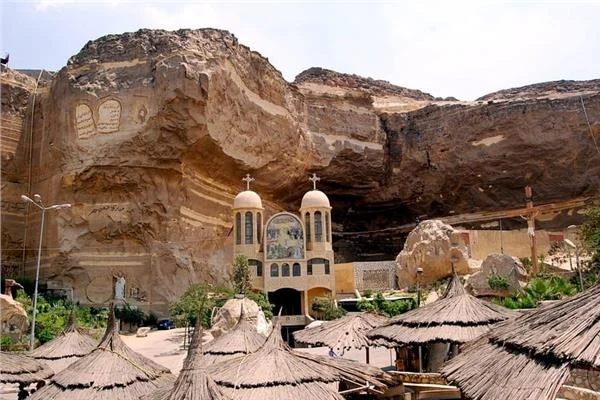
Follow posted guidance and local instructions for shoes, photography, noise, and access. Treat mosques, churches, and other religious places as active community spaces rather than only tourist attractions.
A simple way to manage this is to separate must-have details from preferences. Confirm the items that could disrupt the trip if they are wrong, then keep the rest flexible. That approach reduces unnecessary planning work while still giving first-time visitors enough structure to travel confidently.
Let the guide explain local context
If a custom or interaction is unfamiliar, ask rather than guessing. Good travel etiquette is less about memorizing rules and more about being attentive and willing to adapt.
Written confirmation is helpful here. Keep the agreed detail with the rest of the trip documents and recheck it before the relevant day. For first-time visitors, this prevents a small misunderstanding from becoming a time-consuming problem during the journey.
- Connect let the guide explain local context to the day-by-day itinerary.
- Confirm the decision in writing if it affects price, timing, or availability.
- Keep one flexible alternative if the first choice becomes impractical.
- Recheck the detail shortly before the relevant travel day.
Observe before assuming
Egypt combines modern city life, historic neighborhoods, resorts, religious sites, and family spaces. Expectations can vary by setting, so watch how local people behave and follow your guide's advice when uncertain.
The best version of this step is usually the least complicated one. Choose an arrangement that the travelers understand, that the local team can deliver reliably, and that leaves room for normal changes. Complexity should solve a real problem, not exist because the itinerary looks more impressive on paper.
Dress for the place you are visiting
Comfortable travel clothing works in many situations, while religious or more traditional settings may call for additional coverage. Carrying a light layer gives you flexibility without overcomplicating the day.
Think about the decision from the traveler's point of view. After a long flight or full sightseeing day, clarity matters more than clever planning. For first-time visitors, predictable timing, obvious meeting points, and a realistic pace can be as valuable as adding another attraction.
Broader Egypt trip context
The original draft also contained several useful planning ideas that still support this narrower topic. They are kept here as broader context, with time-sensitive claims removed and the wording reframed around the full journey.
Individual travelers, families, couples, and honeymooners gain several advantages from Egypt travel packages. These packages often include airport transfers, hotel stays, guided tours, and sometimes meals. For families, child-friendly itineraries and flexible schedules are available. Couples and honeymooners can choose romantic add-ons like private dinners or Nile sunset cruises. Solo travelers appreciate the safety of group tours and the chance to meet like-minded people. Holiday planners can compare packages easily and customize details such as hotel category or tour duration.
Over the past decade, the demand for an Egypt travel package has shifted toward more personalized and sustainable experiences. Travelers increasingly seek authentic interactions, such as visiting local markets or dining with Egyptian families. At the same time, business travelers expect efficient itineraries that respect their time. The best packages balance structure with flexibility, allowing guests to explore at their own pace while ensuring all essential logistics are covered. This trend reflects a broader movement in global tourism toward meaningful travel.
Practical planning example
Imagine first-time visitors using egypt cultural etiquette guide as a key planning priority. They start by identifying what must be fixed before departure and what can stay flexible. They compare two realistic routes, check the transfer sequence, review hotel nights and guided visits, and keep one open period for rest or an optional experience. Before payment, they request one written itinerary with inclusions, exclusions, payment terms, and contact details. That approach makes the decision easier to evaluate because the traveler is comparing complete travel plans rather than brochure headlines.
The same method works when plans change. If an attraction, transfer, or activity needs to move, the group already knows which parts of the itinerary are essential and which can be adjusted. That makes the trip more resilient without making it overplanned.
Checklist before you confirm
- Review the route, overnight stops, and transfer sequence.
- Confirm included, optional, and excluded services.
- Check traveler names and dates against passports.
- Review room, meal, guide, and transport arrangements.
- Save payment and cancellation terms in writing.
- Keep the official WhatsApp contact and local support details.
- Reconfirm time-sensitive rules close to departure.
Frequently asked questions
How early should I start planning?
Start early enough to compare the itinerary, accommodation, transport, and terms without rushing. Fixed-date trips and busy periods usually benefit from earlier decisions, while flexible travelers can compare more options.
Should I book everything in one package?
Not necessarily. A package can simplify coordination, but the useful question is whether it clearly covers the services you need. Compare the complete itinerary and support level rather than assuming bundled always means better.
Can the itinerary be customized?
Many travel arrangements can be adjusted before confirmation. Ask which parts are flexible, whether changes affect price or availability, and when the final version becomes fixed.
What should I confirm in writing?
Keep the itinerary, inclusions, exclusions, room details, payment terms, cancellation terms, transfer instructions, and key contact information together in writing.
For general background on tourism, see the tourism reference. For current entry, safety, or regulatory requirements, use the relevant official authority for your nationality and travel dates.
Final planning note
Egypt cultural etiquette guide is most useful when it supports the full itinerary rather than becoming a separate checklist. Keep the route realistic, confirm important details in writing, and leave enough flexibility for normal travel conditions. For help turning the plan into a bookable itinerary, use the 2B Travels contact page or message the official WhatsApp number +20 102 088 0862.