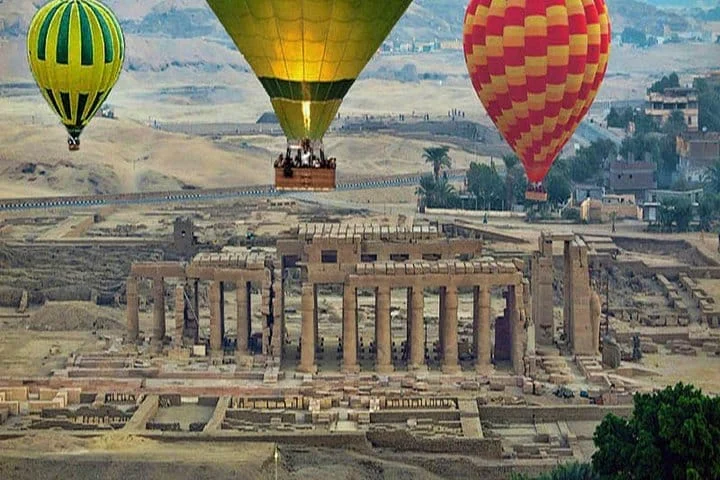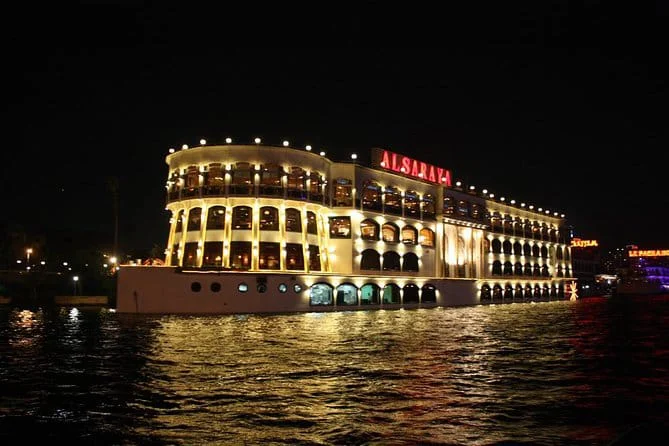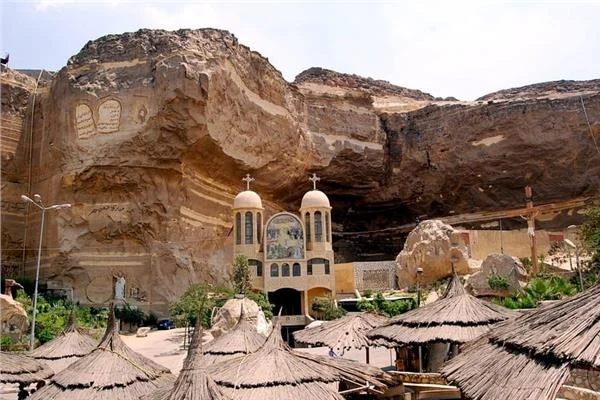
For travelers planning a Giza visit, giza pyramids visit planning can shape the entire trip. A strong plan connects the headline idea to real details such as travel days, hotel nights, guided touring, free time, and the support available when plans change. This article turns that single topic into a usable checklist rather than another broad 'Egypt travel guide'.
The goal is to keep the advice useful without pretending that time-sensitive travel details never change. Reconfirm official entry rules, opening arrangements, transport schedules, and supplier conditions close to travel. The planning framework below focuses on decisions that remain useful even when individual dates or services change.
Browse the 2B Travels tour collection for current trip ideas while you use this guide to shape the right route.
Prioritize the key experiences
Choose the main two or three experiences first, then add smaller stops if time remains. This protects the day from becoming a rushed list and gives the guide flexibility.
The best version of this step is usually the least complicated one. Choose an arrangement that the travelers understand, that the local team can deliver reliably, and that leaves room for normal changes. Complexity should solve a real problem, not exist because the itinerary looks more impressive on paper.
Plan the day around energy and conditions
Early starts, walking, heat, crowds, and transfer time can affect how much is realistic. Build short breaks and keep optional elements flexible.
Think about the decision from the traveler's point of view. After a long flight or full sightseeing day, clarity matters more than clever planning. For travelers planning a Giza visit, predictable timing, obvious meeting points, and a realistic pace can be as valuable as adding another attraction.
- Connect plan the day around energy and conditions to the day-by-day itinerary.
- Confirm the decision in writing if it affects price, timing, or availability.
- Keep one flexible alternative if the first choice becomes impractical.
- Recheck the detail shortly before the relevant travel day.
Use a local guide where context matters
Historical and cultural sites are easier to understand when the day has a clear story rather than a stream of dates. A guide can also help sequence the visit efficiently.
For travelers planning a Giza visit, the practical question is not whether this step sounds useful but how it affects the next part of the journey. Put the decision on the itinerary, assign who is responsible for it, and note any deadline or confirmation needed. That turns a vague travel idea into something the group can actually follow.
Connect the stop to the wider trip
Think about what this destination adds that the rest of the itinerary does not. A strong route has variety rather than repeating the same type of experience in every city.
This is especially useful for travelers planning a Giza visit because international trips contain many small dependencies. A hotel choice can affect transfer time, an early departure can affect dinner plans, and one optional excursion can make the following morning harder. Review the choice in the context of the full route rather than in isolation.
Broader Egypt trip context
The original draft also contained several useful planning ideas that still support this narrower topic. They are kept here as broader context, with time-sensitive claims removed and the wording reframed around the full journey.
A family from New York decides to book an Egypt travel package. They choose a 10-day itinerary that includes Cairo, Luxor, and a Nile cruise. The package covers international flights, a four-star hotel in Cairo, a Nile cruise cabin, guided tours, and all transfers. The family enjoys visiting the Pyramids, the Egyptian Museum, and the Valley of the Kings. The children participate in a hieroglyphics workshop. The parents appreciate the pre-arranged logistics, which allow them to relax and bond. They also add a day at a Red Sea resort for snorkeling. The package provides a seamless experience, and the family returns with lasting memories.
Practical planning example
Imagine travelers planning a Giza visit using giza pyramids visit planning as a key planning priority. They start by identifying what must be fixed before departure and what can stay flexible. They compare two realistic routes, check the transfer sequence, review hotel nights and guided visits, and keep one open period for rest or an optional experience. Before payment, they request one written itinerary with inclusions, exclusions, payment terms, and contact details. That approach makes the decision easier to evaluate because the traveler is comparing complete travel plans rather than brochure headlines.
The same method works when plans change. If an attraction, transfer, or activity needs to move, the group already knows which parts of the itinerary are essential and which can be adjusted. That makes the trip more resilient without making it overplanned.
Checklist before you confirm
- Review the route, overnight stops, and transfer sequence.
- Confirm included, optional, and excluded services.
- Check traveler names and dates against passports.
- Review room, meal, guide, and transport arrangements.
- Save payment and cancellation terms in writing.
- Keep the official WhatsApp contact and local support details.
- Reconfirm time-sensitive rules close to departure.
Frequently asked questions
How early should I start planning?
Start early enough to compare the itinerary, accommodation, transport, and terms without rushing. Fixed-date trips and busy periods usually benefit from earlier decisions, while flexible travelers can compare more options.
Should I book everything in one package?
Not necessarily. A package can simplify coordination, but the useful question is whether it clearly covers the services you need. Compare the complete itinerary and support level rather than assuming bundled always means better.
Can the itinerary be customized?
Many travel arrangements can be adjusted before confirmation. Ask which parts are flexible, whether changes affect price or availability, and when the final version becomes fixed.
What should I confirm in writing?
Keep the itinerary, inclusions, exclusions, room details, payment terms, cancellation terms, transfer instructions, and key contact information together in writing.
For general background on tourism, see the tourism reference. For current entry, safety, or regulatory requirements, use the relevant official authority for your nationality and travel dates.
Final planning note
Giza pyramids visit planning is most useful when it supports the full itinerary rather than becoming a separate checklist. Keep the route realistic, confirm important details in writing, and leave enough flexibility for normal travel conditions. For help turning the plan into a bookable itinerary, use the 2B Travels contact page or message the official WhatsApp number +20 102 088 0862.