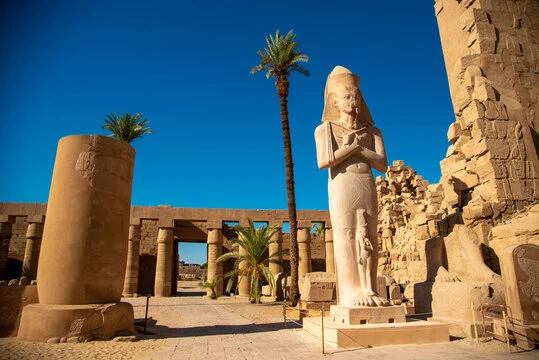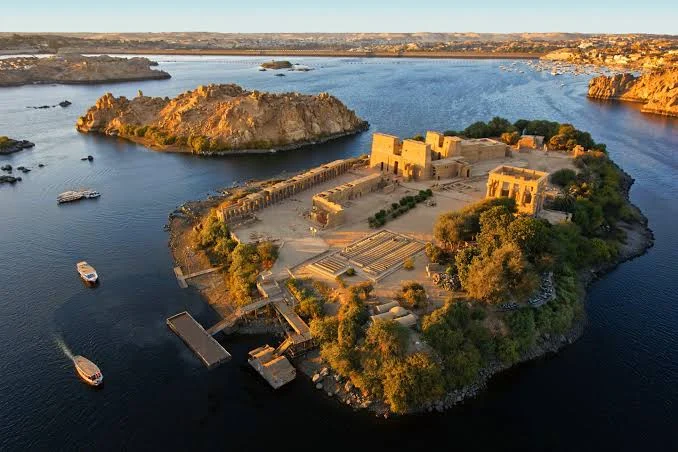
Planning an Egypt journey becomes easier when one question is handled properly at a time. This guide focuses on what to wear in egypt for sightseeing for travelers choosing clothing. It uses the same practical themes that appear across the existing 2B Travels draft material, including itinerary structure, transfers, accommodation, guided visits, documents, budgeting, and traveler support, but organizes them around one specific search intent.
The goal is to keep the advice useful without pretending that time-sensitive travel details never change. Reconfirm official entry rules, opening arrangements, transport schedules, and supplier conditions close to travel. The planning framework below focuses on decisions that remain useful even when individual dates or services change.
Browse the 2B Travels tour collection for current trip ideas while you use this guide to shape the right route.
Leave spare space
Overpacking makes every transfer harder. A little empty luggage space is useful for souvenirs, laundry cycles, or separating items during the trip.
A simple way to manage this is to separate must-have details from preferences. Confirm the items that could disrupt the trip if they are wrong, then keep the rest flexible. That approach reduces unnecessary planning work while still giving travelers choosing clothing enough structure to travel confidently.
Run a final check the night before
Charge devices, review the next day's meeting time, refill your day bag, and put essential documents where you can reach them. Small routines prevent rushed mornings.
Written confirmation is helpful here. Keep the agreed detail with the rest of the trip documents and recheck it before the relevant day. For travelers choosing clothing, this prevents a small misunderstanding from becoming a time-consuming problem during the journey.
- Connect run a final check the night before to the day-by-day itinerary.
- Confirm the decision in writing if it affects price, timing, or availability.
- Keep one flexible alternative if the first choice becomes impractical.
- Recheck the detail shortly before the relevant travel day.
Prepare for the whole route
Packing and practical planning should reflect the complete itinerary rather than one destination. City sightseeing, temples, a cruise, desert travel, and the Red Sea can require different clothing, footwear, and daily essentials.
The best version of this step is usually the least complicated one. Choose an arrangement that the travelers understand, that the local team can deliver reliably, and that leaves room for normal changes. Complexity should solve a real problem, not exist because the itinerary looks more impressive on paper.
Keep the day bag light
Carry only what you regularly use: phone, charger or power bank, water, sun protection, a small amount of money, documents you need that day, and any personal essentials. A heavy day bag becomes annoying quickly.
Think about the decision from the traveler's point of view. After a long flight or full sightseeing day, clarity matters more than clever planning. For travelers choosing clothing, predictable timing, obvious meeting points, and a realistic pace can be as valuable as adding another attraction.
Broader Egypt trip context
The original draft also contained several useful planning ideas that still support this narrower topic. They are kept here as broader context, with time-sensitive claims removed and the wording reframed around the full journey.
A travel agency in Canada organizes a group tour for 20 clients using Egypt travel packages. They partner with a local provider to customize the itinerary, including a mix of guided tours and free time. The package includes group transfers, a dedicated guide, and a welcome dinner. The agency handles all bookings, while the local provider manages on-the-ground logistics. The group visits Cairo, Luxor, and Aswan, with a Nile cruise included. The agency benefits from competitive rates and reliable support, ensuring client satisfaction.
Practical planning example
Imagine travelers choosing clothing using what to wear in egypt for sightseeing as a key planning priority. They start by identifying what must be fixed before departure and what can stay flexible. They compare two realistic routes, check the transfer sequence, review hotel nights and guided visits, and keep one open period for rest or an optional experience. Before payment, they request one written itinerary with inclusions, exclusions, payment terms, and contact details. That approach makes the decision easier to evaluate because the traveler is comparing complete travel plans rather than brochure headlines.
The same method works when plans change. If an attraction, transfer, or activity needs to move, the group already knows which parts of the itinerary are essential and which can be adjusted. That makes the trip more resilient without making it overplanned.
Checklist before you confirm
- Review the route, overnight stops, and transfer sequence.
- Confirm included, optional, and excluded services.
- Check traveler names and dates against passports.
- Review room, meal, guide, and transport arrangements.
- Save payment and cancellation terms in writing.
- Keep the official WhatsApp contact and local support details.
- Reconfirm time-sensitive rules close to departure.
Frequently asked questions
How early should I start planning?
Start early enough to compare the itinerary, accommodation, transport, and terms without rushing. Fixed-date trips and busy periods usually benefit from earlier decisions, while flexible travelers can compare more options.
Should I book everything in one package?
Not necessarily. A package can simplify coordination, but the useful question is whether it clearly covers the services you need. Compare the complete itinerary and support level rather than assuming bundled always means better.
Can the itinerary be customized?
Many travel arrangements can be adjusted before confirmation. Ask which parts are flexible, whether changes affect price or availability, and when the final version becomes fixed.
What should I confirm in writing?
Keep the itinerary, inclusions, exclusions, room details, payment terms, cancellation terms, transfer instructions, and key contact information together in writing.
For general background on tourism, see the tourism reference. For current entry, safety, or regulatory requirements, use the relevant official authority for your nationality and travel dates.
Final planning note
what to wear in egypt for sightseeing is most useful when it supports the full itinerary rather than becoming a separate checklist. Keep the route realistic, confirm important details in writing, and leave enough flexibility for normal travel conditions. For help turning the plan into a bookable itinerary, use the 2B Travels contact page or message the official WhatsApp number +20 102 088 0862.